
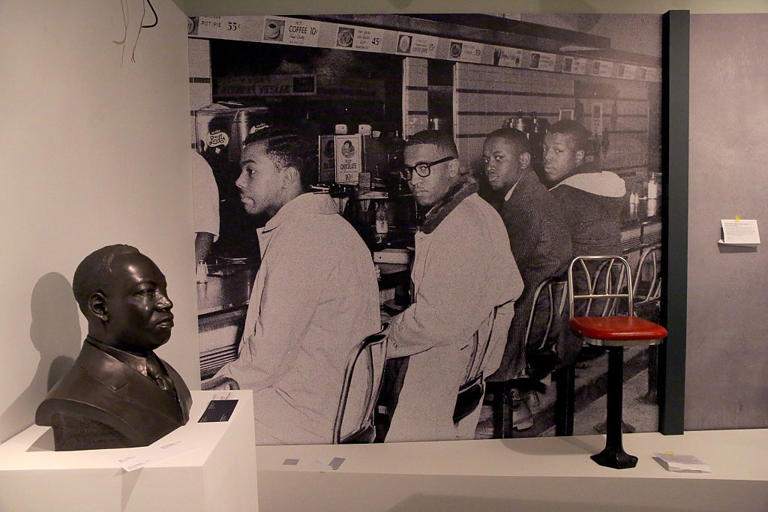
Greensboro Sit-ins (1960): The Youth Protest That Sparked a Civil Rights Revolution
The Greensboro Sit-ins of 1960 were one of the most powerful and defining moments in the American Civil Rights Movement. What began as a simple act of sitting at a lunch counter became a nationwide protest that challenged racial segregation in the United States.
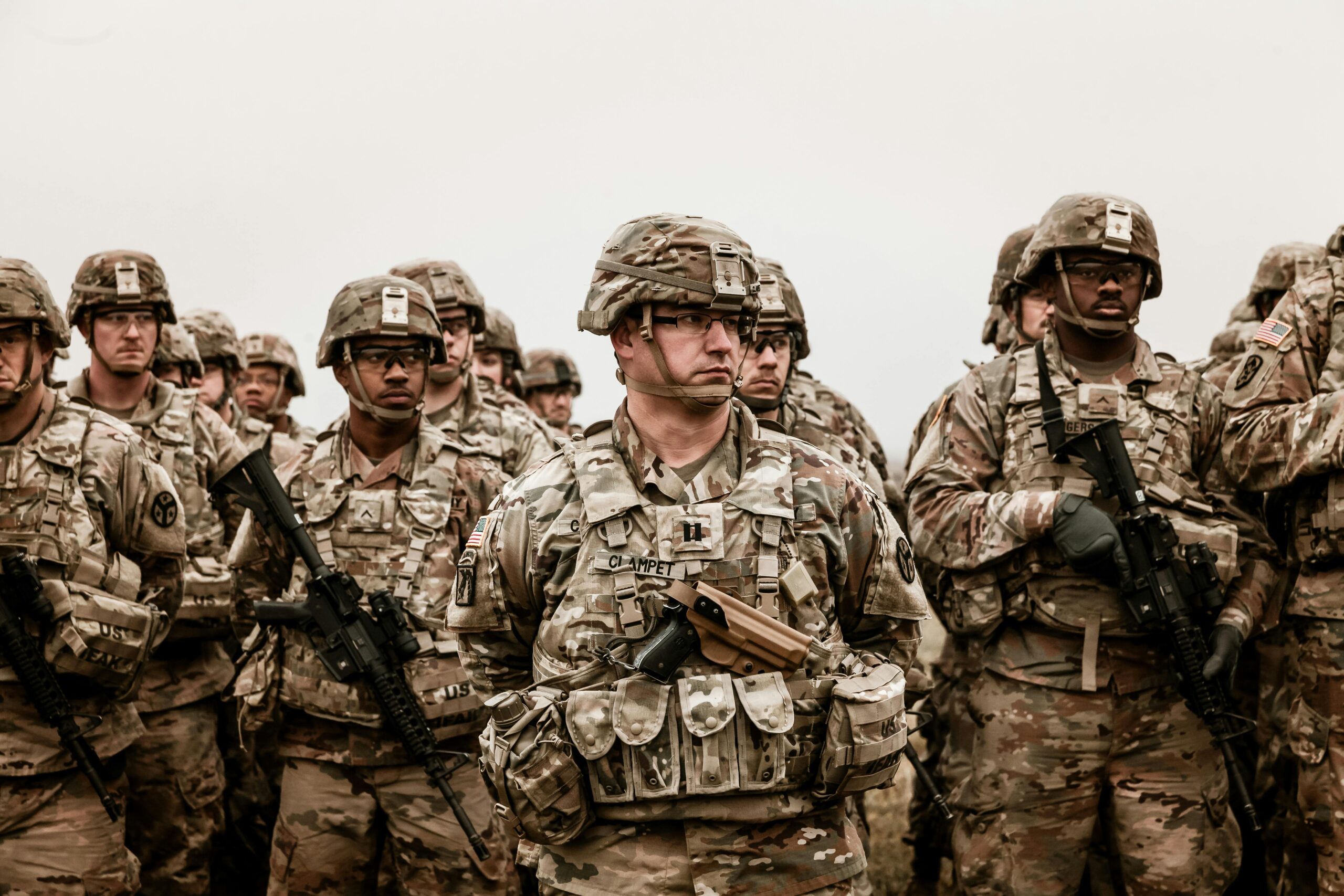
Battle of Stalingrad (1942–1943): The Turning Point of World War II
The Battle of Stalingrad was one of the most brutal and decisive battles in World War II. Fought between Nazi Germany and the Soviet Union from August 1942 to 2 February 1943, this battle changed the course of the entire war. What started as a strategic mission for Hitler ended in one of Germany’s greatest military defeats.
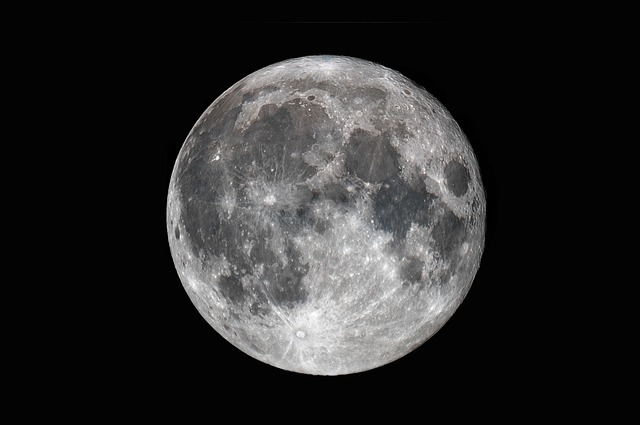
Luna 9: The First Soft Landing on the Moon and Cold War Space Achievements
On 3 February 1966, the world witnessed a historic breakthrough in space exploration when the Soviet spacecraft Luna 9 successfully achieved the first soft landing on the Moon.
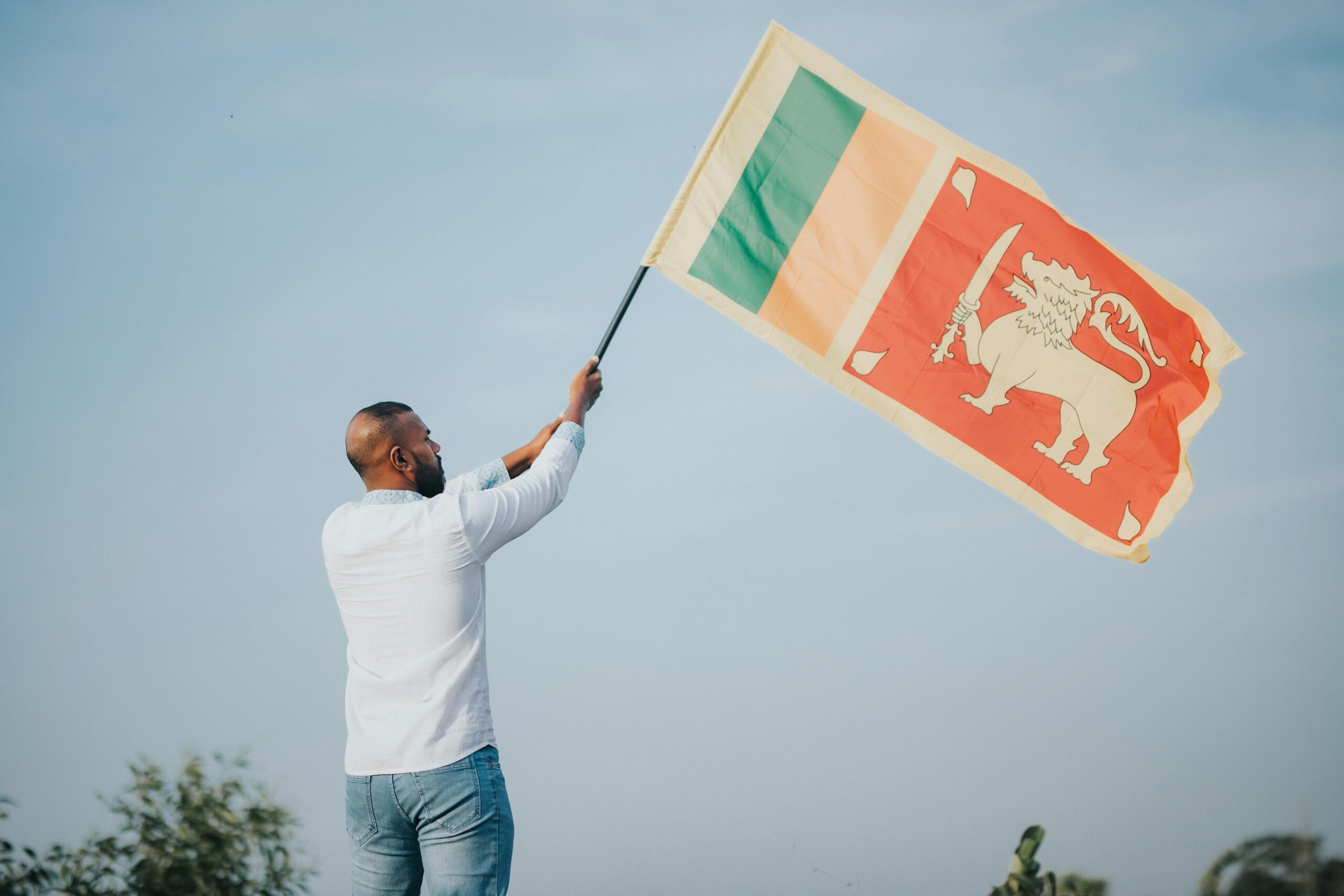
Sri Lanka Independence Day: Freedom from Colonial Rule
Sri Lanka Independence Day, celebrated every year on 4 February, marks a historic moment when Sri Lanka (formerly known as Ceylon) gained independence from British colonial rule in 1948. This national holiday symbolizes the country’s long struggle for self-governance, national identity, and freedom after centuries of foreign domination.
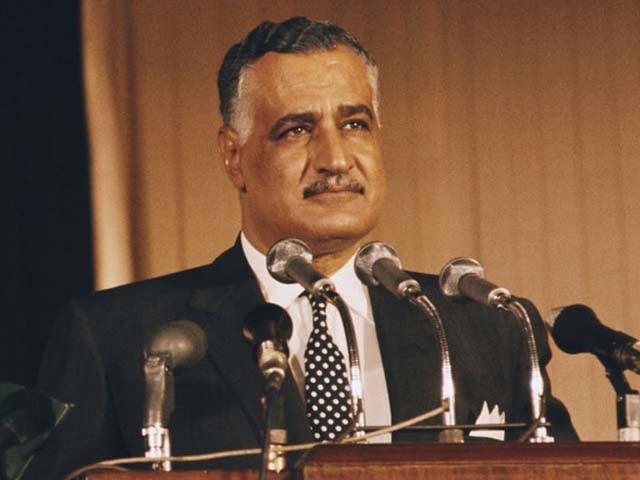
1958: Gamal Abdel Nasser and the Birth of the United Arab Republic
In 1958, a major political experiment took shape in the Middle East when Egypt and Syria united to form the United Arab Republic (UAR). At the center of this historic union was Gamal Abdel Nasser, who became the first President of the United Arab Republic. This event marked a high point of Pan-Arab nationalism and reflected the desire for Arab unity during the Cold War era.
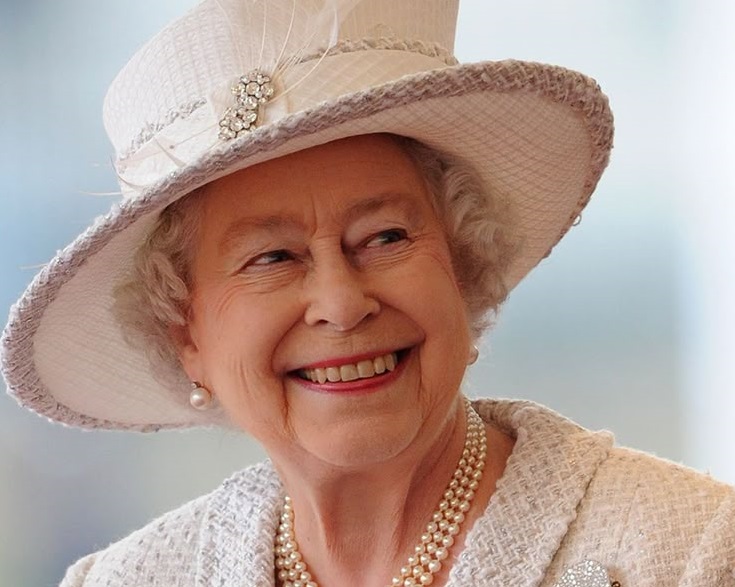
Elizabeth II Becomes Queen
6 February 1952 is a powerful date in world history. On this day, Princess Elizabeth became Queen after the death of her father, George VI. What began as a personal family tragedy quickly turned into the beginning of one of the longest and most influential reigns in modern history.
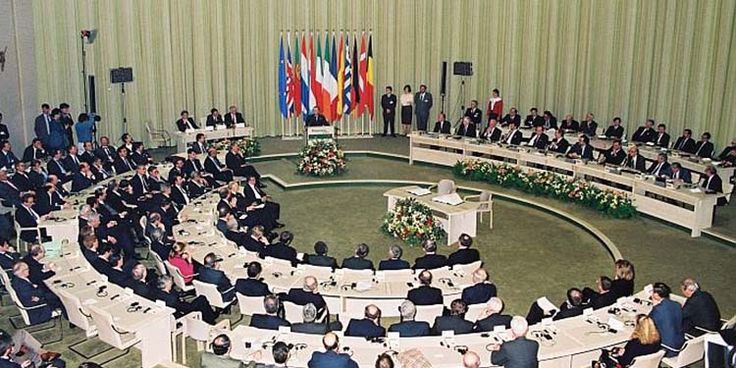
Maastricht Treaty
On 7 February 1992, European leaders signed one of the most important agreements in modern political history - the Maastricht Treaty. Signed in the Dutch city of Maastricht, this treaty officially created what we now know as the European Union (EU).
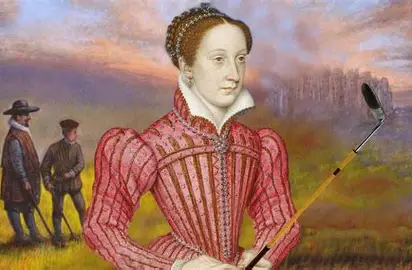
The Tragic Execution of Mary, Queen of Scots
8 February 1587 marks one of the most dramatic and controversial events in European history. On this day, Mary, Queen of Scots, the former Queen of Scotland and a rival claimant to the English throne, was executed at Fotheringham Castle, England.

Changed American Democracy
9 February 1825 stands out as one of the most controversial and influential dates in United States political history. On this day, John Quincy Adams was elected the 6th President of the United States, not by popular vote, but by a decision of the United States House of Representatives.
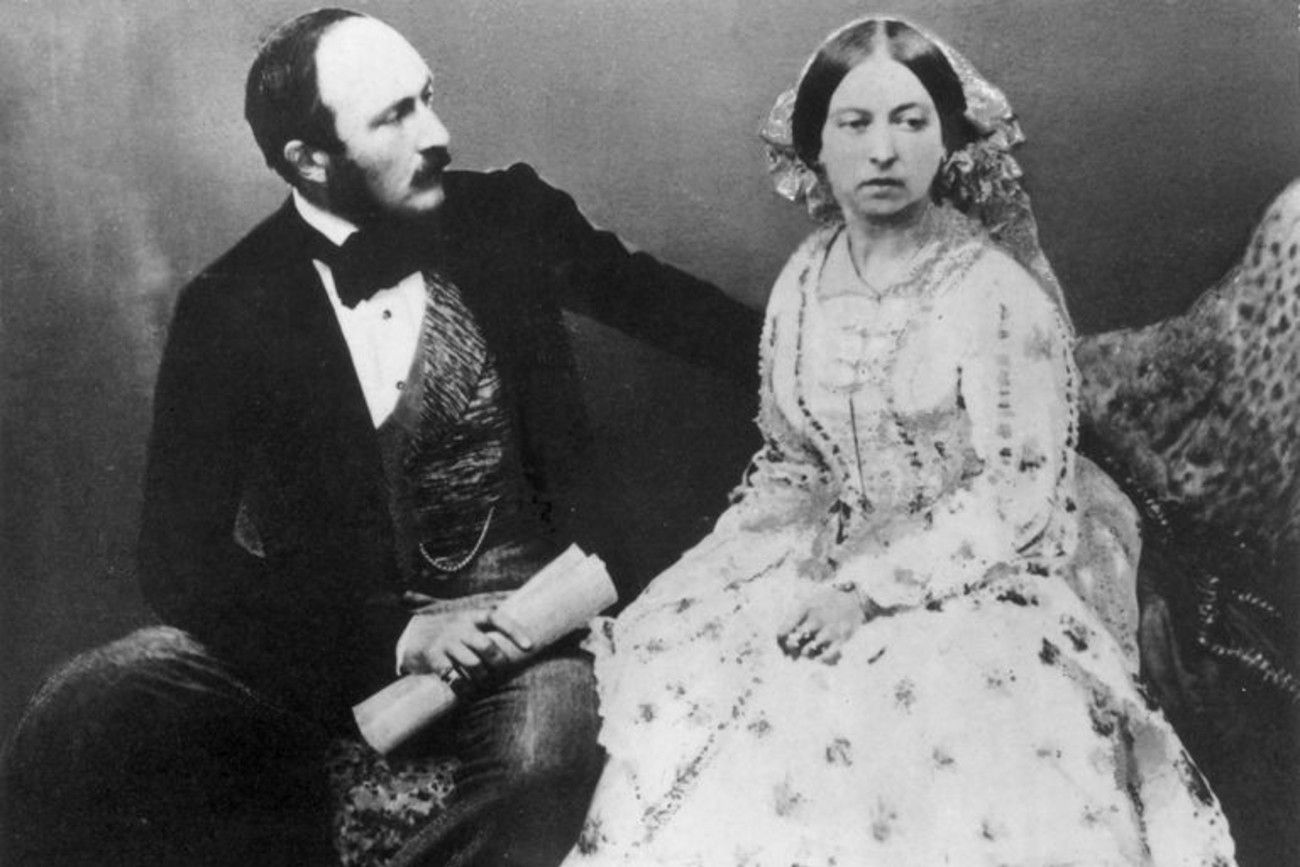
Queen Victoria Married Prince Albert
A Royal Union That Shaped Modern Britain explores how Queen Victoria and Prince Albert’s marriage transformed the monarchy, politics, and society of the United Kingdom during the Victorian Era.
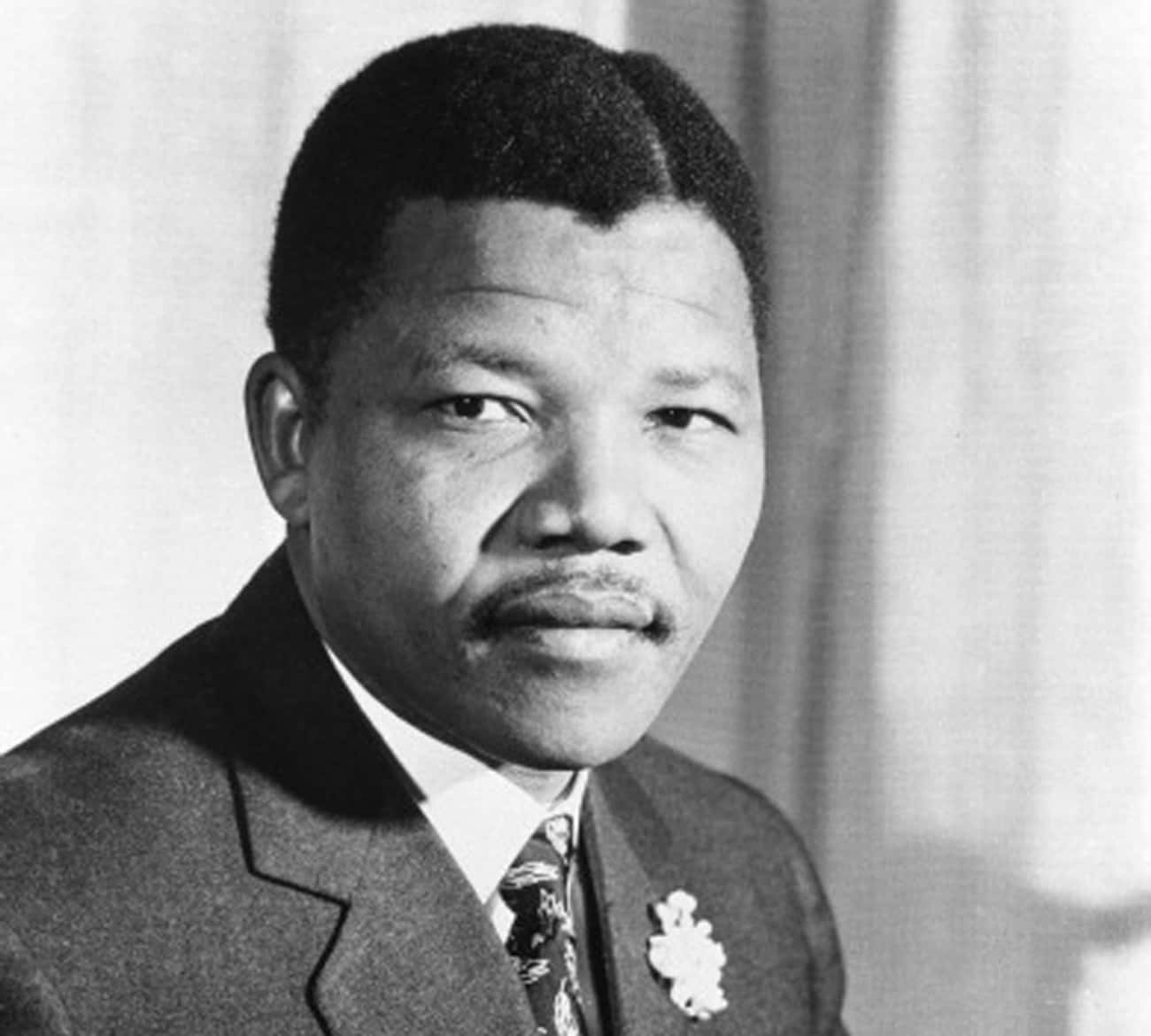
Nelson Mandela
11 February 1990 is remembered as a historic and hopeful day not only for South Africa but for the entire world. On this day, Nelson Mandela, the leader of the anti-apartheid movement, was released from prison after spending 27 long years behind bars.
NEAR Shoemaker’s Historic Asteroid Landing
Space exploration reached a historic milestone on 12 February 2001, when humanity successfully achieved something once thought nearly impossible - landing a spacecraft on an asteroid.