Maastricht Treaty (1992): The Birth of the European Union
On 7 February 1992, European leaders signed one of the most important agreements in modern political history – the Maastricht Treaty. Signed in the Dutch city of Maastricht, this treaty officially created what we now know as the European Union (EU).
It was not just a political document. It was a bold step toward deeper unity, economic strength, and a shared European identity.
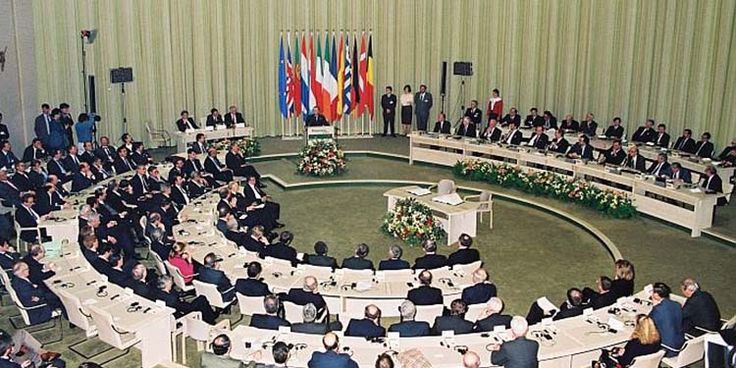
Europe Before the Treaty
After World War II, European countries wanted to prevent future conflicts. They began cooperating economically through organizations like the European Economic Community (EEC).
By the late 1980s, leaders believed economic cooperation alone was not enough. With the Cold War ending and globalization accelerating, Europe needed stronger political and monetary integration. The Maastricht Treaty was designed to take that next big step.
What the Maastricht Treaty Established
- Official Creation of the European Union
The treaty transformed the European Economic Community into the European Union, expanding cooperation beyond trade into political and social areas.
- Path to a Single Currency -The Euro
One of its most important features was the plan for the Economic and Monetary Union (EMU). This eventually led to the launch of the euro in 1999 (for financial markets) and 2002 (for public use in many member states).
- Common Foreign and Security Policy
Member countries agreed to coordinate foreign policy and security decisions more closely, presenting a more unified voice in global affairs.
- European Citizenship
Citizens of member states gained the right to live, work, and travel freely across EU countries. This strengthened mobility and cultural exchange.
Why It Was So Important
The Maastricht Treaty changed Europe from a simple economic partnership into a political union with shared goals and institutions.
Its long-term effects include:
- A single European market
- The euro currency
- Greater economic coordination
- Increased global influence for Europe
It helped Europe compete more effectively in a rapidly globalizing world.
Challenges and Criticism
Despite its achievements, the treaty also faced criticism:
- Some argued it reduced national sovereignty.
- Economic differences between member states created financial challenges.
- Debates about integration later contributed to movements like Brexit.
Even so, its overall impact on European integration remains historic.
Long-Term Impact
Today, the European Union is one of the world’s largest economic and political blocs. The structure that supports it -including shared policies and monetary cooperation – traces back to the Maastricht Treaty.
It laid the foundation for modern European governance and reshaped the continent’s future.
Conclusion
The Maastricht Treaty of 7 February 1992 marked the beginning of a new era for Europe. It transformed cooperation into unity and created a system that continues to shape international politics and economics today.