A Turning Point in World History
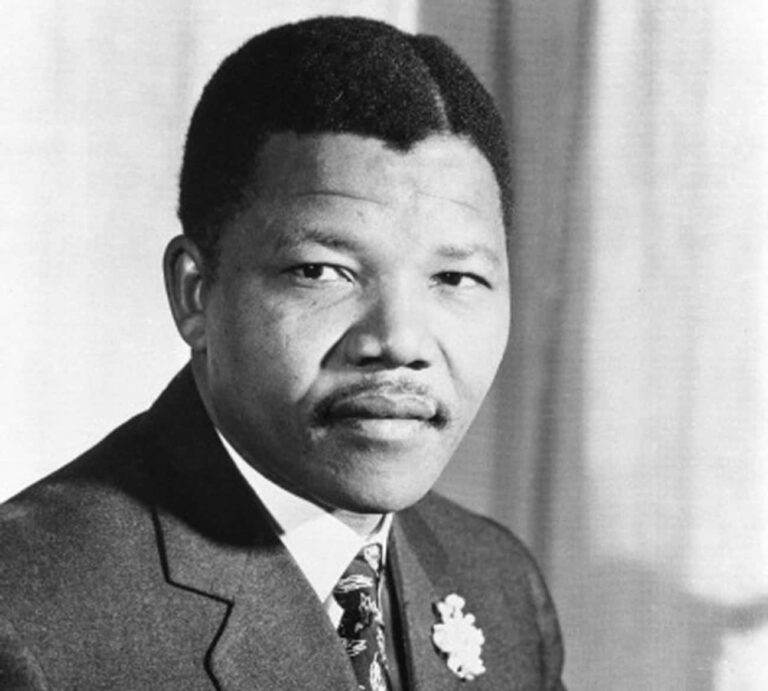
11 February 1990 is remembered as a historic and hopeful day not only for South Africa but for the entire world. On this day, Nelson Mandela, the leader of the anti-apartheid movement, was released from prison after spending 27 long years behind bars. His release marked a decisive step toward the end of apartheid and the beginning of a new democratic era in South Africa.
Background: Apartheid in South Africa
Apartheid was a system of racial segregation and discrimination introduced in South Africa in 1948. Under apartheid:
- Black South Africans were denied basic rights
- Racial segregation was enforced by law
- Political power was held almost entirely by the white minority
Those who opposed the system were often arrested, tortured, or imprisoned.
Nelson Mandela emerged as one of the strongest voices against this injustice.
Mandela’s Arrest and Imprisonment
Nelson Mandela was arrested in 1962 for opposing apartheid and later sentenced to life imprisonment in 1964 during the famous Rivonia Trial. He spent most of his prison years in Robben Island, under harsh and humiliating conditions.
Despite imprisonment:
- Mandela refused to compromise his principles
- He became a global symbol of resistance and hope
- International pressure grew demanding his release
The Road to Freedom
By the late 1980s, apartheid had become unsustainable. South Africa faced:
- International sanctions
- Economic decline
- Internal protests and unrest
In 1989, President F. W. de Klerk began reforms, realizing that peaceful negotiation was the only way forward. These reforms led to the unbanning of political organizations and eventually Mandela’s release.
11 February 1990: A Historic Moment
On 11 February 1990, Nelson Mandela walked out of Victor Verster Prison, holding his wife Winnie Mandela’s hand. Millions around the world watched this moment live on television.
Instead of calling for revenge, Mandela spoke of:
- Peace and reconciliation
- Unity between races
- Forgiveness over hatred
His words reflected extraordinary moral strength after decades of suffering.
Impact on South Africa
Mandela’s release led to:
- Negotiations between the government and anti-apartheid leaders
- The dismantling of apartheid laws
- South Africa’s first multiracial democratic elections in 1994
In 1994, Nelson Mandela became South Africa’s first Black President, completing an unimaginable journey from prisoner to president.
Global Significance
The release of Nelson Mandela:
- Inspired freedom movements worldwide
- Proved that peaceful struggle can defeat injustice
- Strengthened faith in human rights and democracy
In 1993, Mandela was awarded the Nobel Peace Prize for his role in ending apartheid peacefully.
Conclusion
The release of Nelson Mandela on 11 February 1990 was far more than the freeing of one man-it was the liberation of an entire nation’s hope. After 27 years in prison, Mandela chose forgiveness over hatred and unity over division.
His life and struggle remain a powerful reminder that courage, patience, and moral leadership can change the course of history.