Stabilizing the Global Economy
The International Monetary Fund (IMF) is one of the most important international organizations working to ensure global financial stability and economic cooperation. Established in 1944 during the Bretton Woods Conference, the IMF was created to rebuild the global economy after World War II and to prevent financial crises that could disrupt international trade and growth.
Today, the IMF plays a critical role in monitoring the world economy, providing financial assistance to countries in need, and offering policy advice to promote sustainable economic development.

What is the IMF?
The International Monetary Fund is a global organization made up of 190+ member countries. Its primary purpose is to promote international monetary cooperation, secure financial stability, facilitate international trade, and reduce poverty around the world.
Unlike development banks that focus on long-term infrastructure projects, the IMF mainly deals with short- to medium-term financial issues. It helps countries facing balance of payments problems-situations where a nation cannot meet its international financial obligations.
Core Functions of the IMF
The IMF performs three main functions that are essential to the global economy:
- Surveillance (Economic Monitoring)
The IMF closely monitors the economic and financial developments of its member countries. It analyses economic data, identifies risks, and provides recommendations to governments. This process helps prevent economic crises and ensures that countries maintain stable financial systems. - Financial Assistance
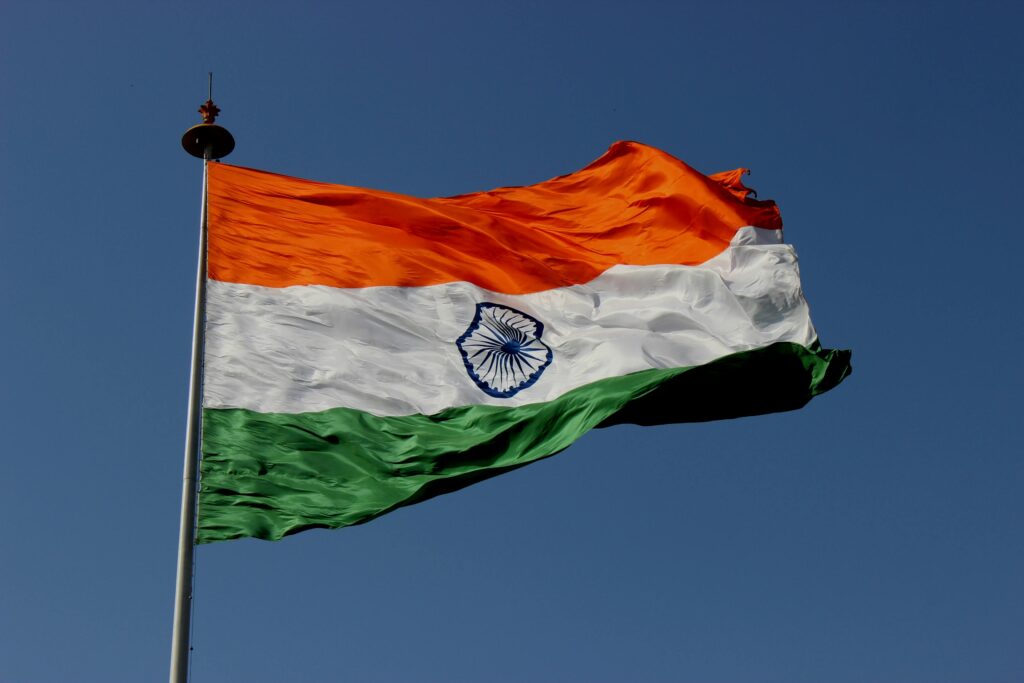
one of the most important roles of the IMF is providing loans to countries facing financial difficulties. These loans help stabilize economies, restore confidence, and support essential reforms. Countries like India have, at different points in history, benefited from IMF assistance during economic challenges. However, IMF loans often come with conditions, known as “structural adjustments,” which require countries to implement economic reforms. These may include reducing government spending, improving tax systems, or liberalizing trade policies.
- Capacity Development
The IMF also provides technical assistance and training to help countries strengthen their economic institutions. This includes improving financial systems, enhancing tax administration, and building effective central banking frameworks.
Importance in the Global Economy
The IMF acts as a financial safety net for the global economy. When countries face economic crises-such as currency devaluation, inflation, or debt problems-the IMF steps in to provide support and guidance.
For example, during global financial crises, the IMF has played a key role in stabilizing economies by offering emergency funding and coordinating international responses. Its efforts help prevent crises from spreading across borders, which is crucial in an interconnected global economy.
Criticism and Controversies
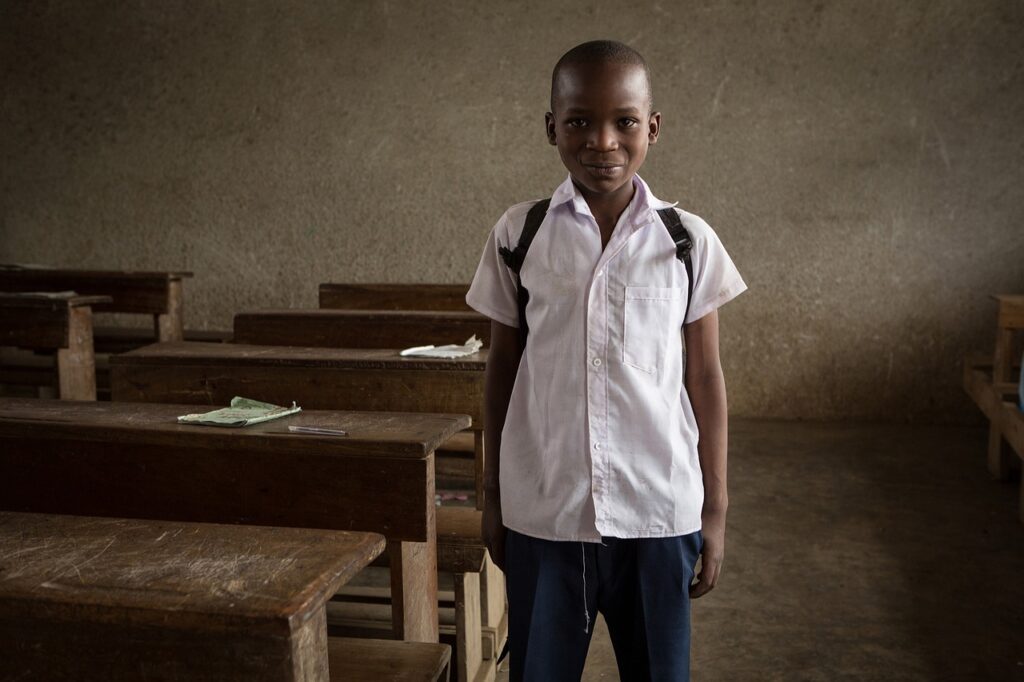
Despite its important role, the IMF has faced criticism over the years. One of the main concerns is the conditions attached to its loans. Critics argue that these conditions can lead to reduced public spending on essential services like healthcare and education, affecting vulnerable populations.
Others believe that the IMF’s policies may favour developed countries or large economies, raising questions about fairness and representation. There have also been debates about the effectiveness of its programs in achieving long-term economic stability.
In response to these criticisms, the IMF has made efforts to become more transparent, inclusive, and flexible in its approach. It has also increased its focus on social protection and inclusive growth.
IMF and Developing Countries
For developing nations, the IMF plays a crucial role in providing financial stability and guidance. Countries facing economic shocks-such as sudden capital outflows or natural disasters-can rely on IMF support to recover and rebuild.
In recent years, the IMF has also emphasized the importance of sustainable development, climate resilience, and reducing inequality. This shift reflects the changing priorities of the global economy and the need for more inclusive growth.
The Future of the IMF
As the global economy continues to evolve, the IMF faces new challenges. Issues such as climate change, digital currencies, global debt, and economic inequality require innovative solutions and international cooperation.
The IMF is increasingly focusing on these areas, working with governments and other organizations to develop policies that address modern economic challenges. Its role in promoting stability and cooperation will remain essential in the years to come.
Read More Organization

The World Health Organization
The World Health Organization (WHO) is the specialized health agency of the United Nations (UN). It plays a vital role in shaping global health policies, setting standards, coordinating international health efforts, and assisting countries in strengthening their healthcare systems.
The European Union
The European Union (EU) is a unique political and economic union of 27 European countries that work together for peace, stability, and prosperity. It represents one of the most ambitious projects of regional integration in modern history. The EU has created a single market where goods, services, people, and capital can move freely. It also plays a significant role in global politics, trade, environment, and security.
The World Bank Group (WBG)
The World Bank Group (WBG) is one of the most influential global institutions working to reduce poverty and promote sustainable development. Established in 1944 during the Bretton Woods Conference, the World Bank Group has played a crucial role in shaping economic growth and improving living standards in developing countries.