Shaping Global Trade
The World Trade Organization (WTO) is a key global institution that regulates and facilitates international trade between nations. Established in 1995, the WTO replaced the earlier General Agreement on Tariffs and Trade (GATT), which had been governing global trade since 1947. With its headquarters in Geneva, the WTO plays a central role in ensuring that trade flows smoothly, predictably, and fairly across borders.
In today’s interconnected world, where goods and services move across countries every second, the WTO acts as a platform for negotiation, dispute resolution, and policy coordination among its member nations.

What is the WTO?
The World Trade Organization is an international body made up of over 160 member countries. Its primary purpose is to promote free and fair trade by reducing barriers such as tariffs, quotas, and subsidies.
Unlike financial institutions such as the IMF or World Bank, the WTO does not provide loans or direct financial aid. Instead, it focuses on creating a stable and transparent trading system that benefits all participating countries.
Key Functions of the WTO
Lorem ipsum dolor sit amet, consectetur adipiscing elit. Ut elit tellus, luctus nec ullamcorper mattis, pulvinar dapibus leo.
Add Your Heading Text Here
The WTO performs several important functions that support global trade:
- Trade Negotiations
one of the main roles of the WTO is to provide a platform where countries can negotiate trade agreements. These agreements aim to reduce trade barriers and create opportunities for businesses to expand internationally. - Dispute Resolution
Trade disputes between countries are common, especially when policies or regulations affect imports and exports. The WTO offers a structured system to resolve such disputes fairly and efficiently, preventing conflicts from escalating. - Monitoring Trade Policies
the organization regularly reviews the trade policies of member countries. This ensures transparency and helps identify practices that may violate agreed rules. - Capacity Building
The WTO supports developing countries by providing technical assistance and training. This helps them participate more effectively in global trade and benefit from international markets.
Importance in the Global Economy
The WTO plays a crucial role in maintaining stability in global trade. By setting clear rules and promoting cooperation, it reduces uncertainty and encourages investment.
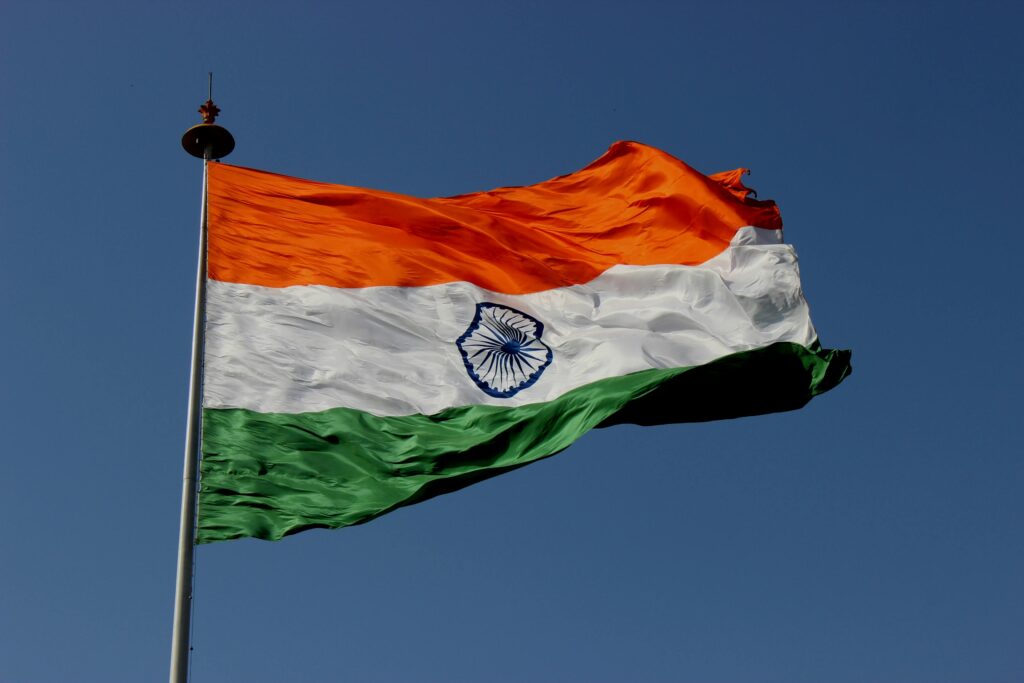
For countries like India, the WTO provides opportunities to access international markets and grow exports. Indian industries, from agriculture to information technology, benefit from reduced trade barriers and global demand.
The WTO also helps smaller and developing nations by giving them a voice in global trade discussions. This inclusivity ensures that trade policies are not dominated solely by powerful economies.
Principles of the WTO
The WTO operates on a set of core principles that guide its activities:
- Non-Discrimination: Countries should treat all trading partners equally.
- Transparency: Trade policies must be clear and accessible.
- Fair Competition: Unfair practices like dumping should be discouraged.
- Encouraging Development: Special support is provided to developing countries.
These principles help create a balanced and predictable trading system.
Challenges and Criticism
Despite its importance, the WTO has faced several challenges and criticisms. One major concern is that trade liberalization can sometimes harm local industries, especially in developing countries. When markets open up, smaller businesses may struggle to compete with large multinational corporations.
Another issue is the slow pace of negotiations. Reaching agreements among so many countries with different interests can be difficult and time-consuming. For example, the Doha Development Round, launched in 2001, has faced delays and disagreements.
Critics also argue that the WTO’s dispute resolution system can favour stronger economies with more resources to pursue legal cases. Additionally, concerns about environmental sustainability and lab or rights have been raised in relation to global trade practices.
The Future of the WTO
As global trade evolves, the WTO must adapt to new challenges. Issues such as digital trade, e-commerce and climate change, and supply chain disruptions are becoming increasingly important.
The organization is working toward modernizing its rules and improving its effectiveness. Strengthening cooperation among member countries and addressing global concerns will be essential for its future success.
In a rapidly changing world, the WTO’s role remains vital in ensuring that trade continues to contribute to economic growth and development.
Read More Organization

The World Bank Group
The World Bank Group (WBG) is one of the most influential global institutions working to reduce poverty and promote sustainable development. Established in 1944 during the Bretton Woods Conference, the World Bank Group has played a crucial role in shaping economic growth and improving living standards in developing countries.

The World Health Organization
The World Health Organization (WHO) is the specialized health agency of the United Nations (UN). It plays a vital role in shaping global health policies, setting standards, coordinating international health efforts, and assisting countries in strengthening their healthcare systems.
The European Union
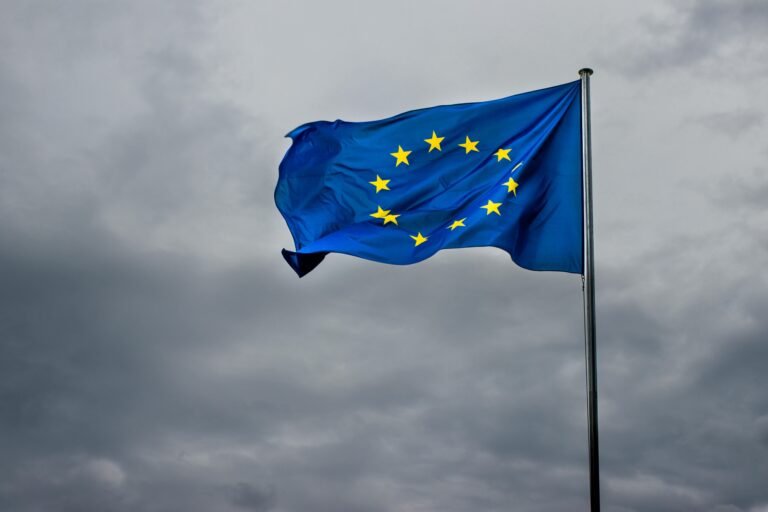
The European Union (EU) is a unique political and economic union of 27 European countries that work together for peace, stability, and prosperity. It represents one of the most ambitious projects of regional integration in modern history. The EU has created a single market where goods, services, people, and capital can move freely. It also plays a significant role in global politics, trade, environment, and security.