Understanding the Importance of World Braille Day
World Braille Day is observed every year on January 4 to raise awareness about the importance of Braille as a means of communication for blind and visually impaired people. This international day highlights the need for equal access to education, information, technology, and opportunities for everyone, regardless of physical limitations.
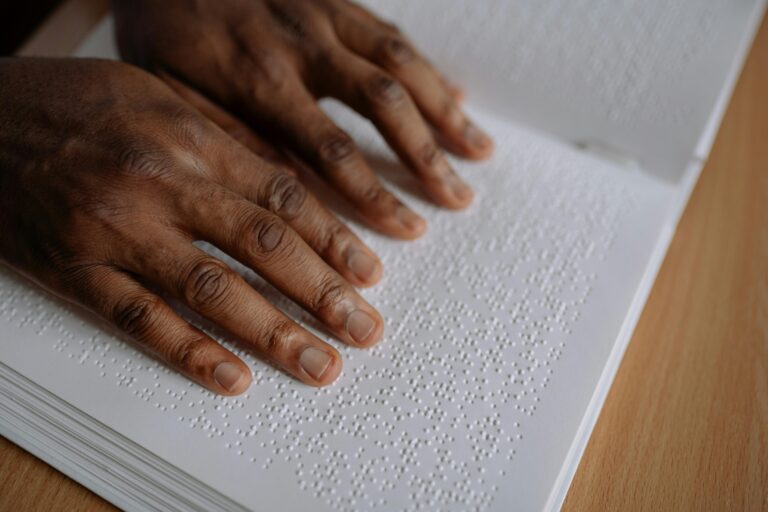
Braille is not just a writing system; it is a symbol of independence, empowerment, and inclusion. Millions of visually impaired people around the world depend on Braille to read books, study in schools, access public information, and live more independently. World Braille Day reminds society that accessibility is a basic human right and that every individual deserves equal participation in education, employment, and daily life.
The observance also encourages governments, educational institutions, businesses, and technology companies to create more accessible systems and environments for visually impaired individuals. It is an important global movement toward equality and human dignity.
The History of Braille and Louis Braille’s Contribution
Louis Braille, the inventor of the Braille system, was born on January 4, 1809, in France. At a young age, he lost his eyesight due to an accident. Despite facing difficulties, Louis Braille worked hard to develop a reading and writing system that could help blind individuals access education and knowledge more effectively.
The Braille system uses raised dots arranged in different patterns that can be read through touch. This revolutionary invention changed the lives of visually impaired people worldwide. Before Braille, blind individuals had very limited access to books and education. Braille opened the door to literacy, communication, and independence.
Today, Braille is used in many languages across the world. It appears on books, elevators, medicines, public signs, currency, and digital devices. Modern technology has also improved Braille accessibility through electronic Braille displays, smartphones, and educational tools.
World Braille Day honors the contribution of Louis Braille and recognizes the importance of making information accessible for all members of society.
Global Awareness, Accessibility, and Inclusive Education
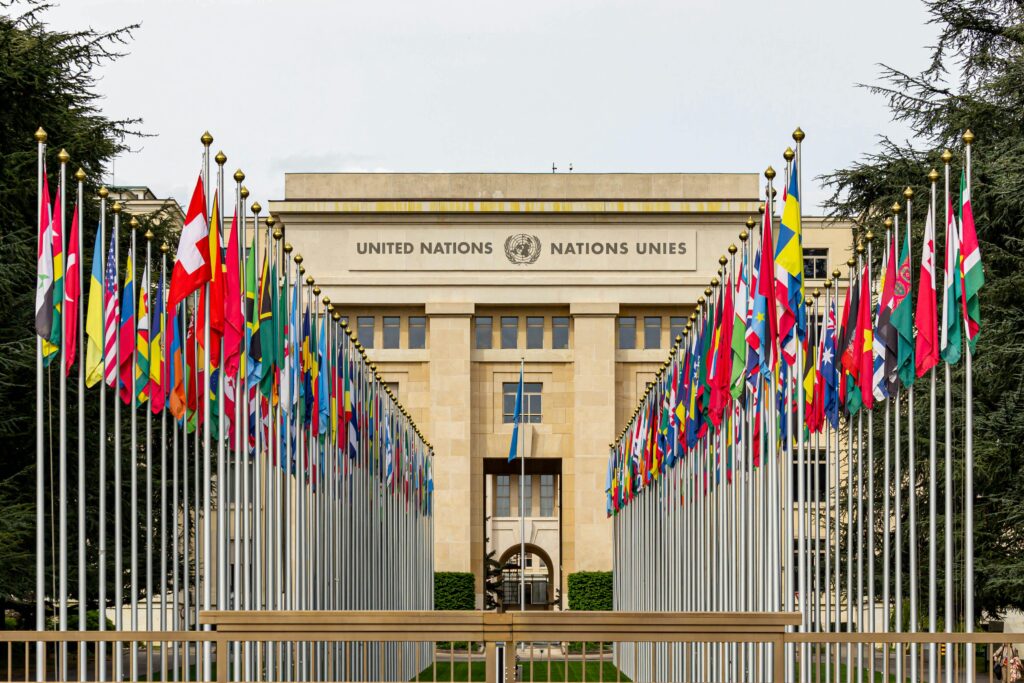
United Nations officially recognized World Braille Day to support the rights and well-being of visually impaired people worldwide. The day focuses on creating awareness about accessibility and encouraging societies to remove barriers that limit opportunities for disabled individuals.
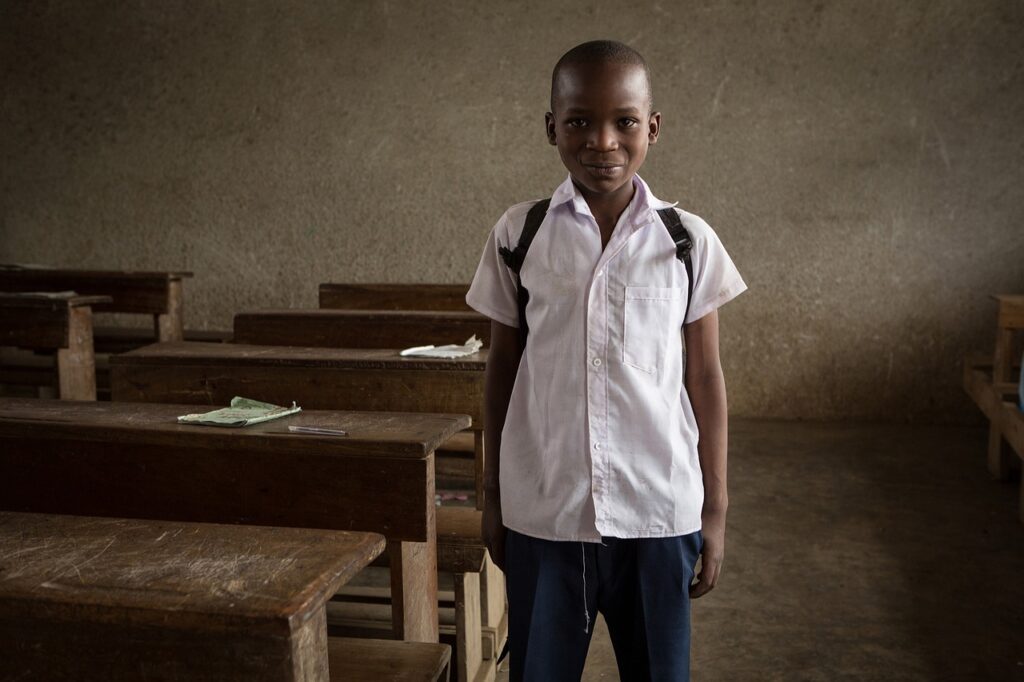
Education is one of the most important areas where Braille plays a major role. Accessible learning materials allow visually impaired students to study independently and achieve their goals. Schools, colleges, and universities around the world are increasingly adopting inclusive education systems to support students with disabilities.
Many organizations and governments are also working to improve accessibility in transportation, public services, healthcare, and workplaces. Braille signs in elevators, railway stations, offices, hospitals, and public buildings help visually impaired individuals navigate spaces safely and confidently.
Technology companies are also contributing significantly to accessibility. Digital Braille devices, screen readers, voice assistants, and AI-powered tools are making communication and information more accessible than ever before. These innovations are helping visually impaired individuals participate actively in education, employment, and social life.
World Braille Day also encourages people to understand the daily challenges faced by blind individuals. Lack of accessible infrastructure, educational resources, and employment opportunities remains a major issue in many countries. The observance motivates societies to create a more inclusive and supportive environment for everyone.
The Role of Society in Building an Inclusive Future
Creating an inclusive society requires cooperation from individuals, communities, governments, and businesses. Respect, awareness, and equal opportunities are essential for improving the lives of visually impaired people. World Braille Day reminds everyone that disability should never become a barrier to success, education, or dignity.
Families and educational institutions can support visually impaired individuals by promoting confidence, independence, and equal participation. Employers can create accessible workplaces and provide fair opportunities for talented individuals with disabilities. Media organizations can also contribute by spreading awareness about accessibility and inclusion.
Young people especially play an important role in building a compassionate and inclusive future. By learning about Braille and understanding the importance of accessibility, future generations can help create societies where everyone feels valued and respected.
The observance of World Braille Day is not limited to blind individuals alone. It is a reminder for humanity to support equality, human rights, and universal access to information and communication. Accessibility benefits everyone and helps create stronger, more connected communities.
In conclusion, World Braille Day is a powerful global observance that celebrates inclusion, literacy, accessibility, and human dignity. The contribution of Louis Braille transformed millions of lives and continues to inspire the world today. By supporting accessible education, technology, and communication systems, societies can ensure that visually impaired individuals receive equal opportunities to learn, grow, and succeed. This important day teaches humanity the value of empathy, equality, and the importance of building a world where no one is left behind.