History, Significance, and Celebrations
India’s Republic Day (26 January) commemorates the enactment of the Indian Constitution in 1950, which transformed India into a sovereign democratic republic. This national holiday honors the Constitution and the ideals of democracy, unity, and diversity. Major observances include a grand military parade in New Delhi, cultural programs across the country, and the presentation of national honors.
Historical Background
India won independence from British rule on 15 August 1947, but the country became a republic only after adopting its own Constitution. The Constituent Assembly drafted and debated the Constitution throughout 1948-49. On 26 January 1950 the Constitution came into effect, replacing the Government of India Act (1935) and formally establishing India as a sovereign democratic republic. January 26 was deliberately chosen to honor the 1930 “Purna Swaraj” (complete independence) resolution passed by the Indian National Congress. Thus, Republic Day celebrates the culmination of India’s freedom struggle not just political independence, but self-rule under a homegrown Constitution.
The Constitution, one of the longest in the world, laid down India’s fundamental principles of justice, liberty, equality and fraternity. As Britannica notes, its enactment on 26 January 1950 marked India’s transition to a “sovereign democratic republic”. In contrast, Independence Day (August 15, 1947) marks the end of colonial rule. Together these milestones – Independence Day and Republic Day – define India’s national identity. Republic Day, in particular, underscores that India’s government is “of the people, by the people, and for the people” under the rule of law.
Significance of Republic Day
Republic Day embodies the ideals of India’s Constitution. It is a day to honor the nation’s democratic institutions and diverse heritage. Government sources emphasize that Republic Day observances “bring constitutional ideals into the public domain”. The annual ceremonies reaffirm India’s unity in diversity: the parade and events showcase contributions from all regions, faiths, and languages. Officials describe the parade as a “coordinated display of military discipline, cultural heritage, and regional representation”, with floats (tableaux) from states highlighting India’s cultural plurality. In short, Republic Day is as much about celebrating the Constitution as it is about celebrating India’s rich tapestry of cultures.
Key Celebrations and Traditions
Every Republic Day is marked by a series of national ceremonies and local events. The centerpiece is the Republic Day Parade in New Delhi, held on Kartavya Path (formerly Rajpath) in the capital. This grand procession, organized by the Ministry of Defense, begins at the President’s House (Rashtrapati Bhavan) and includes these highlights:
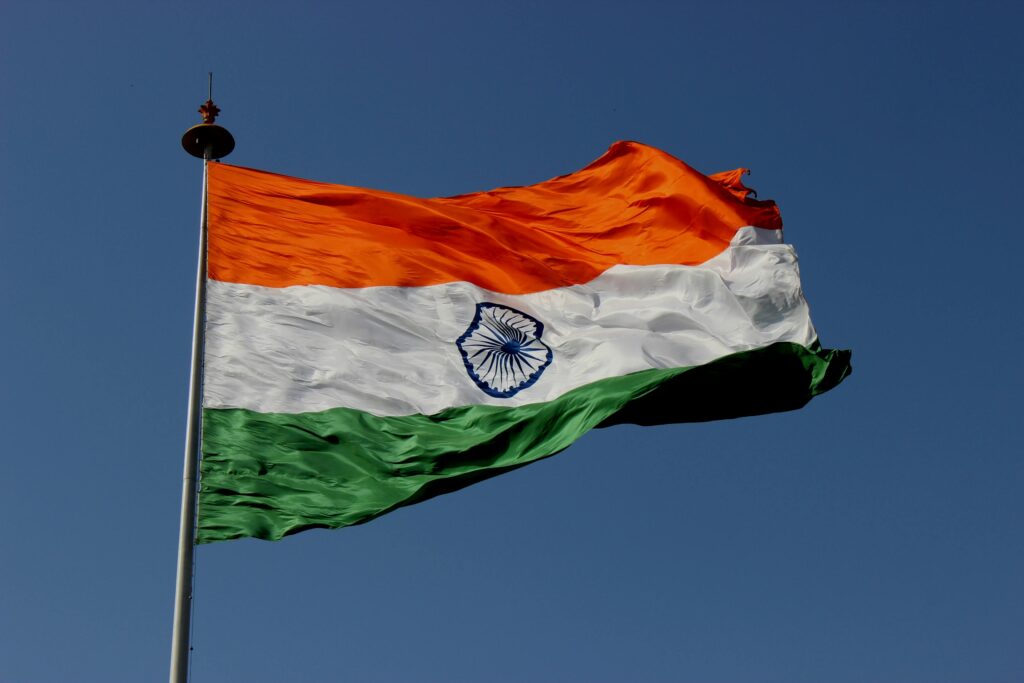
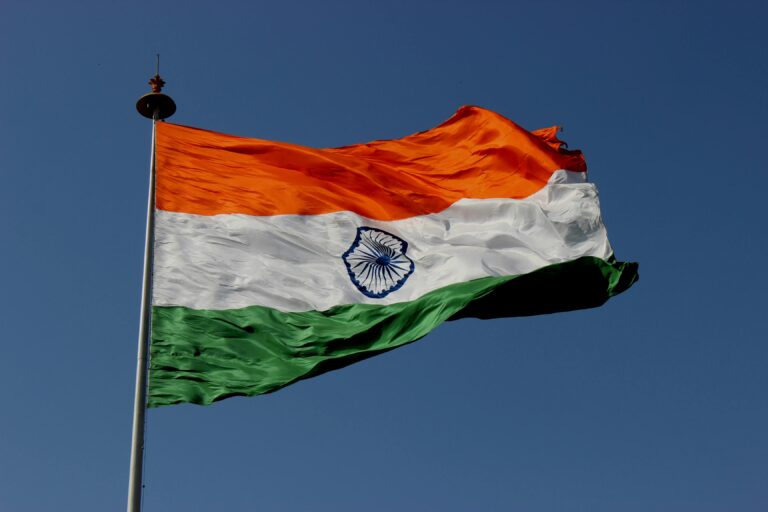
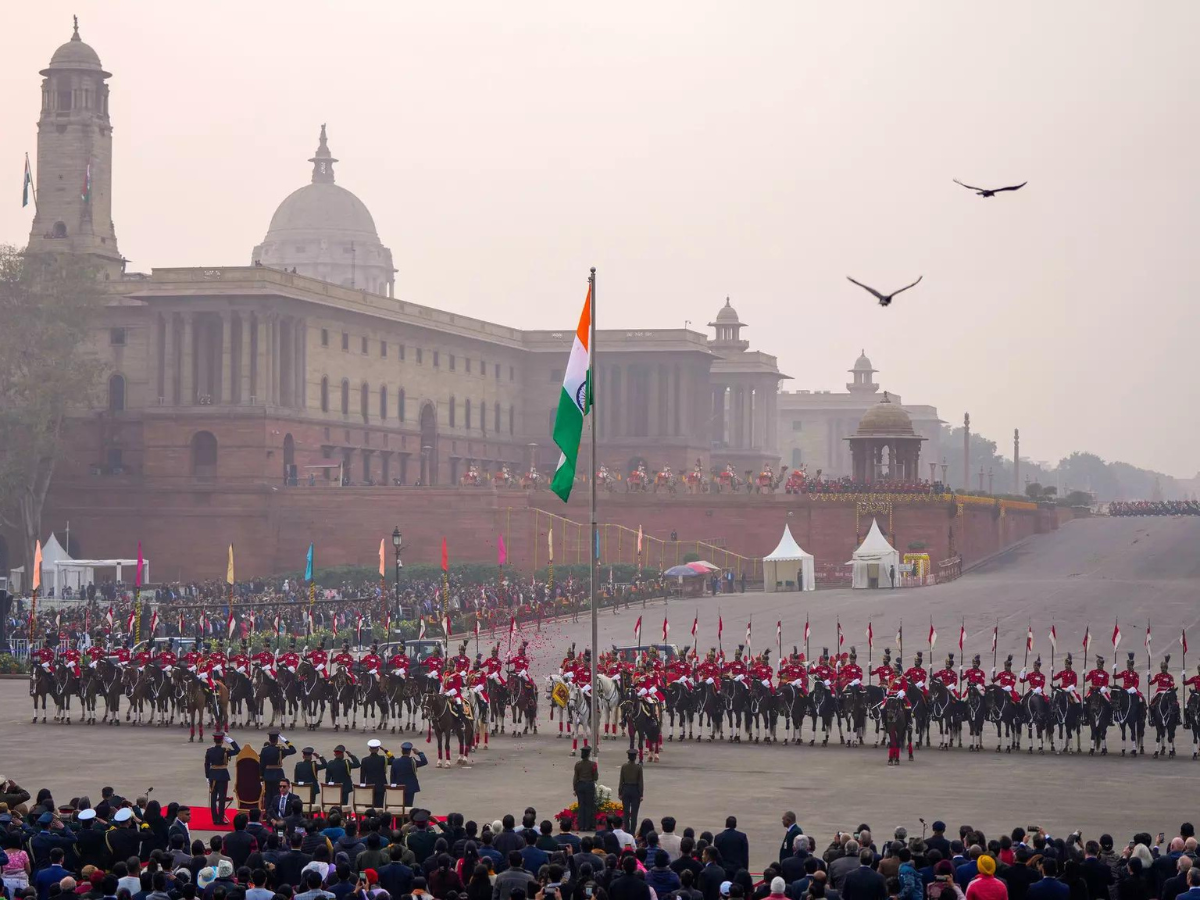
- Flag Hoisting and Salute: The President of India unfurls the national flag, followed by the playing of the national anthem (“Jana Gana Mana”) and a 21-gun salute. This solemn start honors the nation’s sovereignty and the sacrifices of freedom fighters.
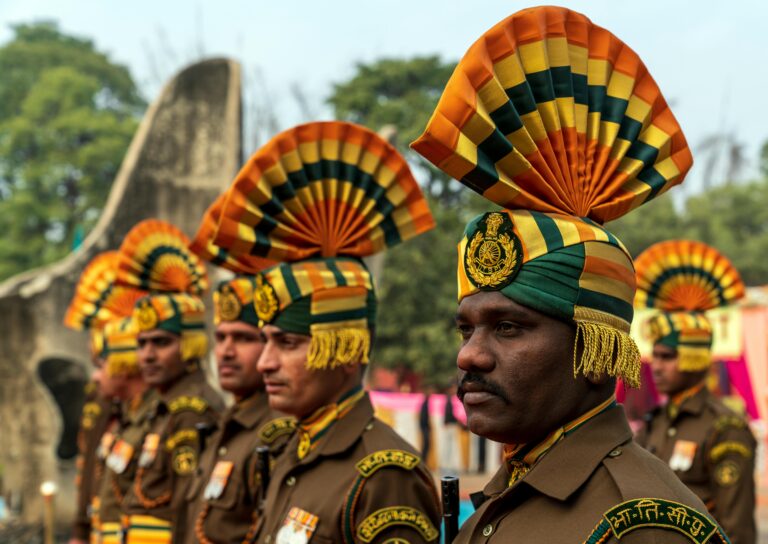
- Military Displays: Following the ceremony, the parade showcases India’s defense capabilities. Tanks, missiles, radar systems, and fighter jets roll and fly by along Kartavya Path. Aerobatic teams (Surya Kiran and Sarang) perform precision flyovers. Elite marching contingents from the Indian Army, Navy, Air Force, and paramilitary forces march in formation. (Notably, the parade includes unique units: the 61st Cavalry Regiment on horseback and the BSF’s decorated camel contingent.)
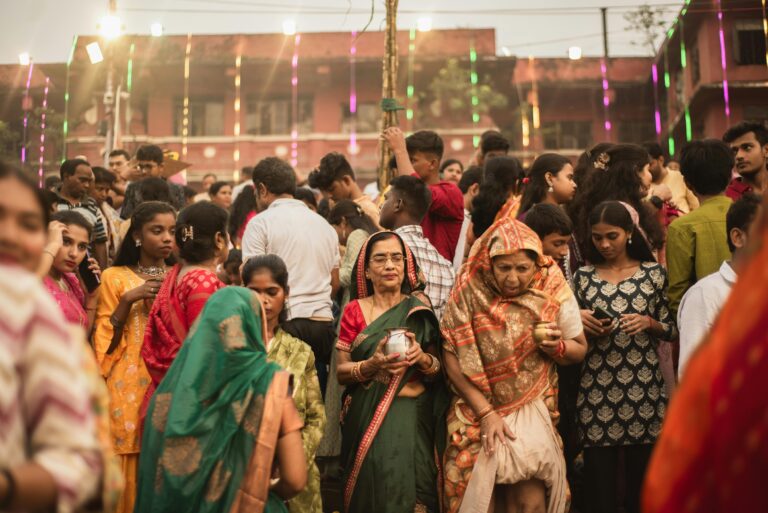
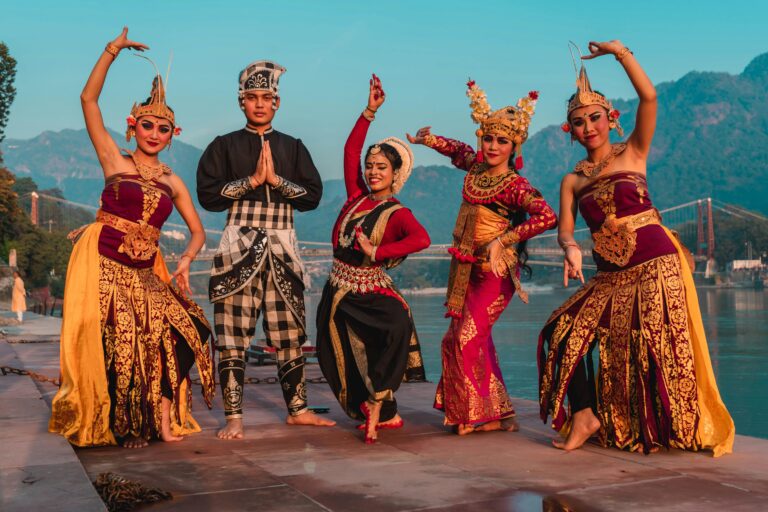
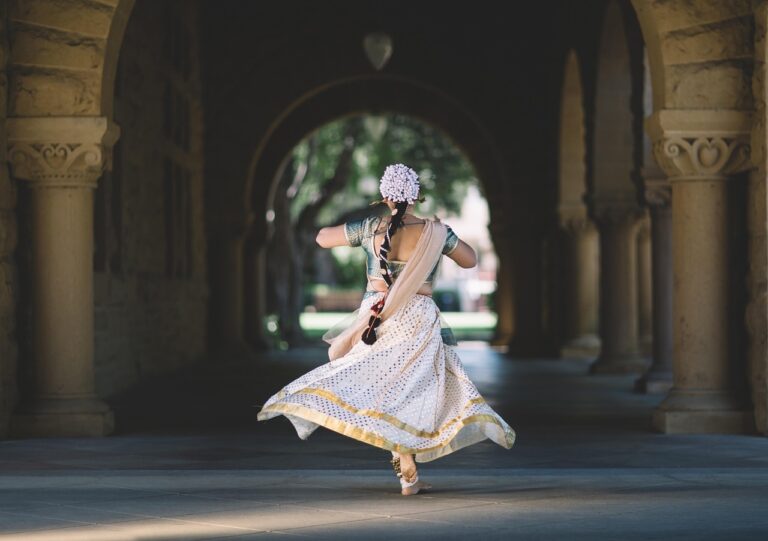
- Cultural Tableaux and Performances: Colorful floats from each state and union territory portray regional heritage, social themes, and national achievements. Schoolchildren and cultural troupes present dances and songs celebrating India’s unity in diversity. These segments emphasize that Republic Day is also a festival of India’s folklore and arts.
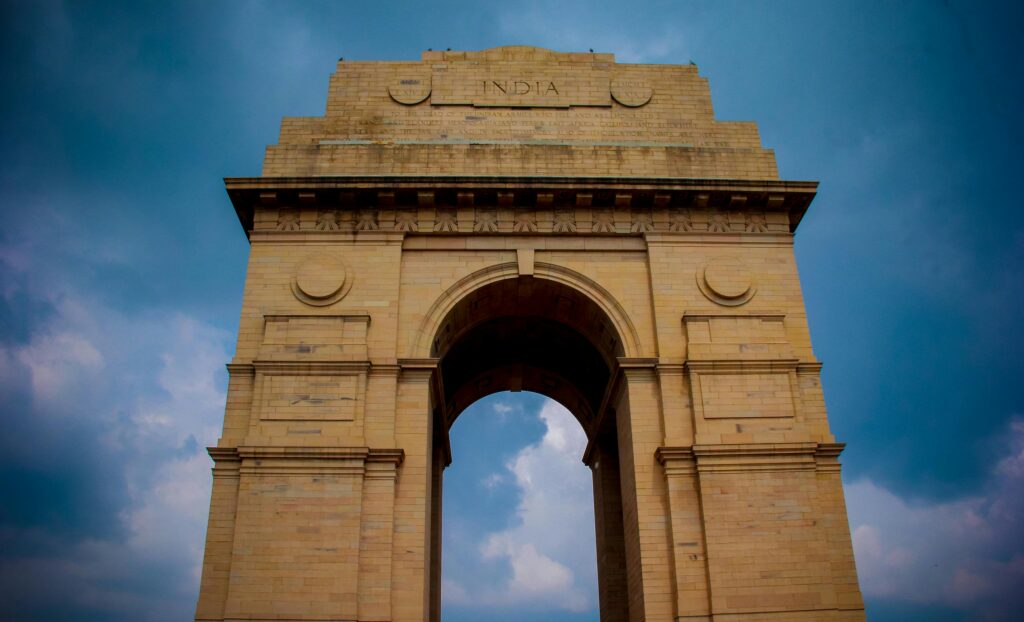
- Honoring Heroes: Early on Republic Day morning, the Prime Minister lays a wreath at the Amar Jawan Jyoti (Tomb of the Unknown Soldier) under India Gate, paying tribute to the armed forces personnel martyred for the country. Later, the President confers national honors. Gallantry awards (e.g. Param Vir Chakra, Ashoka Chakra) recognize military bravery, while the civilian Padma awards (Vibhushan/Bhushan/Shri) and service medals celebrate excellence in arts, science, public service, and other fields. These honors symbolize the Republic’s gratitude to those who serve the nation.
- Chief Guest: A notable feature of the Delhi parade is the invitation of a foreign head of state or government as the “Chief Guest”. Since 1950, this tradition underscores India’s diplomatic outreach. (For example, Nelson Mandela was the Guest of Honor in 1995 and U.S. President Barack Obama in 2015.) The Chief Guest reviews the parade alongside India’s President, highlighting friendship and solidarity between nations.
- Concluding Ceremony – Beating Retreat: Republic Day festivities officially conclude on January 29 with the Beating Retreat ceremony. Held at Raisina Hill, this event is rooted in an old military tradition. Bands of the Army, Navy, Air Force, and police forces perform marching tunes (like “Sare Jahan Se Achha”) as the national flag is lowered. A final bugle call and illumination of government buildings mark the end of the celebrations. The Beating Retreat is a poignant reminder of the disciplined grandeur of the Republic’s armed services.
Each of these elements is woven into the fabric of the Republic Day celebration, creating a narrative of India’s journey from colonial rule to a self-governing, democratic nation. Government press releases note that across the country “flag-hoisting ceremonies, official programmes, and cultural events are organized” by schools, institutions, and local bodies, making the spirit of Republic Day felt in every corner of India.

Contemporary Relevance
Republic Day remains a powerful symbol of Indian democracy and unity. It reminds citizens of the constitutional rights and duties that bind them. Every year, leaders use the occasion to inspire patriotism and reflect on progress. For instance, the President of India has observed that since the Constitution took effect, India’s journey has been “amazing”, and that on Republic Day “we celebrate what we have achieved, together, as a nation.”. This national holiday reinforces the idea that the Constitution – the outcome of the freedom struggle – is the guiding framework of modern India.
In short, Republic Day is a day of pride for India. It celebrates not only a historical date (26 January 1950) but also the enduring values of the Republic: sovereignty, democracy, justice, and diversity. As long as the Constitution guides India’s destiny, Republic Day will continue to be a vital reminder of the nation’s identity and aspirations.