A Dangerous Escalation in West Asia
The latest Iran US Military Strikes have significantly increased tensions across West Asia, drawing global attention and raising concerns about regional stability. Following a series of retaliatory attacks between Iran and the United States, world leaders are closely monitoring the situation to prevent further escalation. As diplomatic efforts continue, many experts fear that the ongoing Iran-US conflict could have far-reaching consequences for international security, energy markets, and global trade.
How the Latest Conflict Unfolded
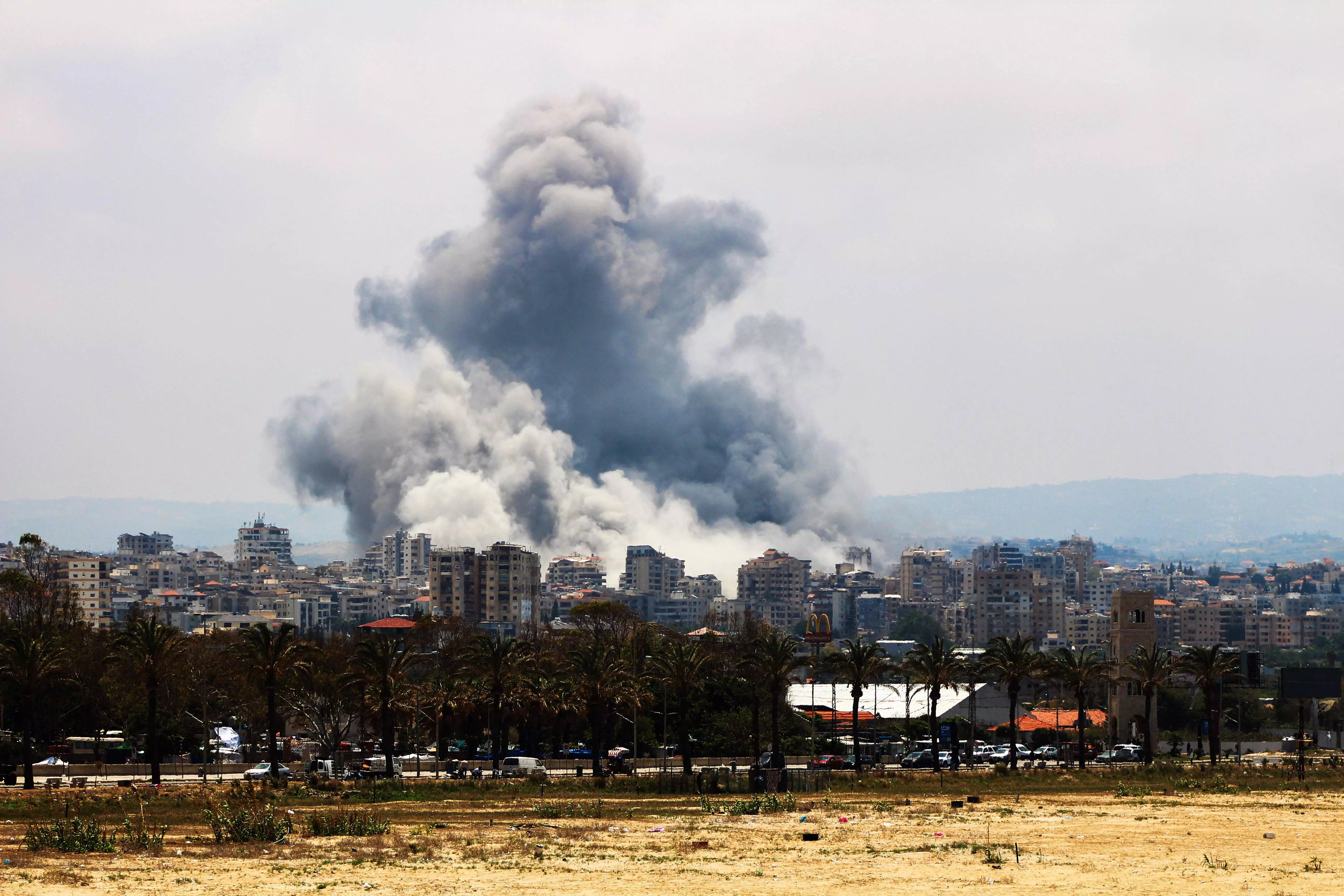
The current escalation began after a series of incidents involving military installations and strategic assets linked to both countries. Reports indicate that Iran targeted locations associated with American military operations, while the United States responded with strikes aimed at Iranian military infrastructure.
Both governments have accused each other of provoking the confrontation. Iranian officials argue that their actions were necessary to defend national sovereignty, while American authorities maintain that their military response was intended to protect personnel and strategic interests in the region.
Military analysts suggest that neither side appears interested in launching a full-scale war. However, retaliatory actions can quickly create unintended consequences, especially when multiple regional actors are involved.
The situation has become particularly sensitive because several neighboring countries host military bases, energy facilities, and shipping routes that are strategically important to the global economy. Any disruption to these areas could have consequences far beyond the Middle East.
Impact on Global Oil Markets and Trade
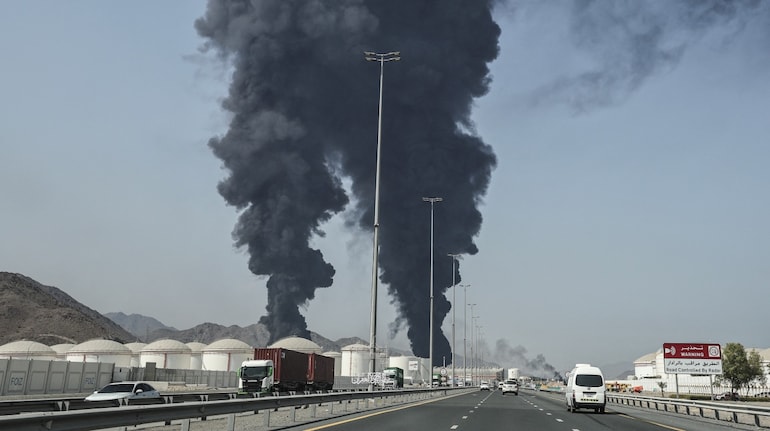
One of the immediate effects of rising tensions in West Asia is uncertainty in global energy markets. The region remains one of the world’s most important sources of oil and natural gas, making any military confrontation a matter of international concern.
Investors and energy companies closely watch developments around the Strait of Hormuz, a critical maritime route through which a significant portion of the world’s oil supply passes every day. Whenever military tensions rise in the area, fears of supply disruptions often push oil prices higher.
Higher oil prices can eventually affect transportation costs, manufacturing expenses, and consumer prices worldwide. Countries that depend heavily on imported energy may face additional economic pressure if instability continues.
Financial markets also react to geopolitical uncertainty. Investors often move money into safer assets when conflict risks increase, leading to volatility in stock markets and currency exchanges.

International Reactions and Calls for Peace
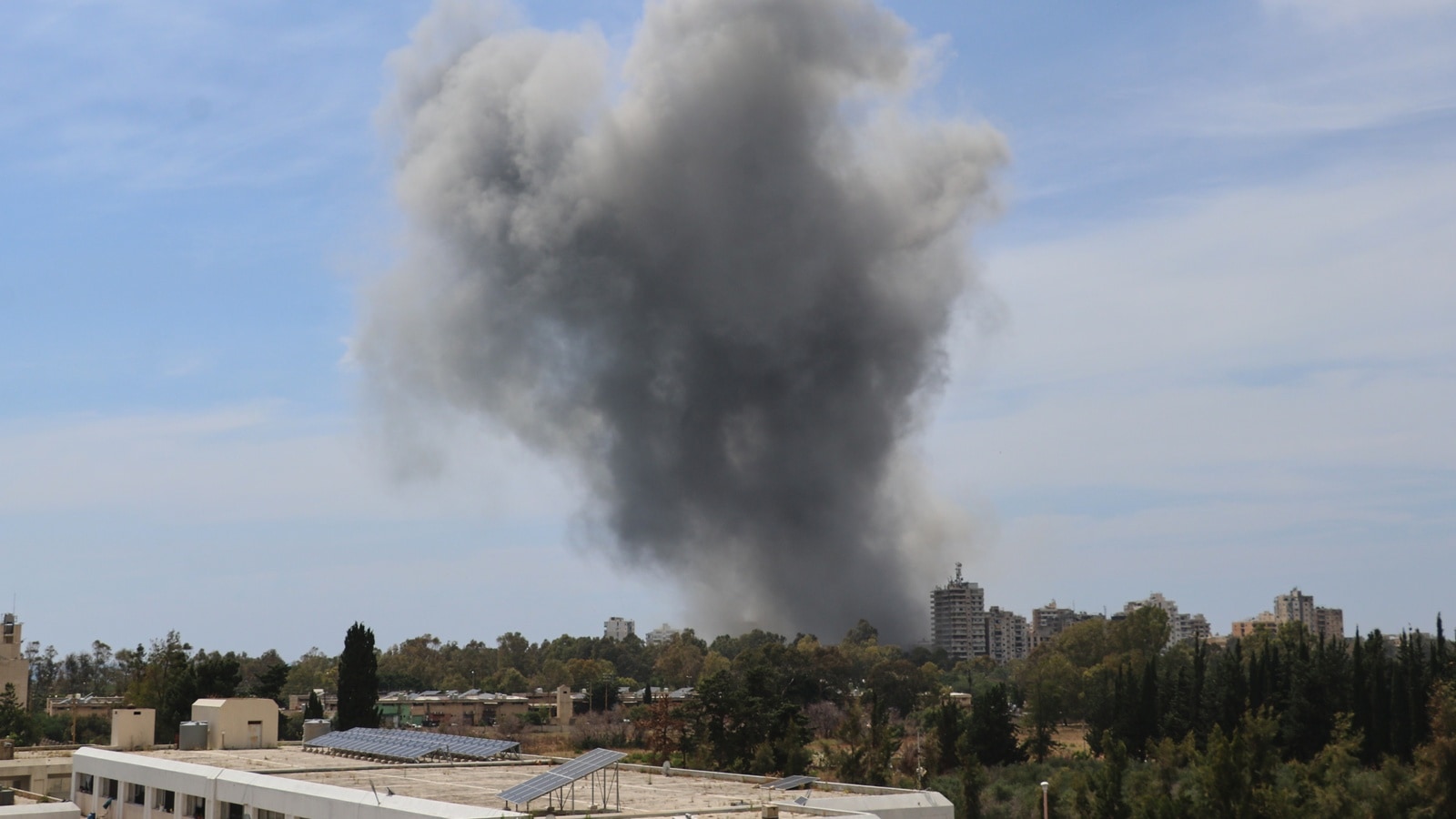
Governments around the world have expressed concern about the recent developments. International organizations and diplomatic leaders have called on both Iran and the United States to avoid further escalation and return to dialogue.
Several countries in Europe, Asia, and the Gulf region have emphasized the importance of maintaining regional stability. Many leaders fear that a prolonged confrontation could affect neighboring nations and create humanitarian challenges.
The international community generally supports diplomatic solutions over military responses. Analysts note that negotiations, back-channel communications, and mediation efforts could play an important role in preventing further violence.
Historically, periods of heightened tension between Iran and the United States have often been followed by diplomatic initiatives aimed at reducing risks. Whether similar efforts succeed this time remains uncertain, but many experts believe diplomacy remains the most effective path forward.
Ordinary citizens across the region are also concerned about the possibility of wider conflict. Families, businesses, and communities often bear the greatest burden when geopolitical tensions escalate.
Conclusion
The recent exchange of retaliatory strikes between Iran and the United States has once again placed West Asia at the center of global attention. While both sides describe their actions as defensive, the ongoing cycle of retaliation has increased fears of a wider conflict. Beyond military concerns, the situation carries significant implications for energy markets, international trade, and regional security.
As world leaders call for restraint and diplomacy, many hope that dialogue will prevail over confrontation. The choices made in the coming days could have lasting consequences not only for West Asia but also for the broader international community.