How the CJP Protest Became a National Movement
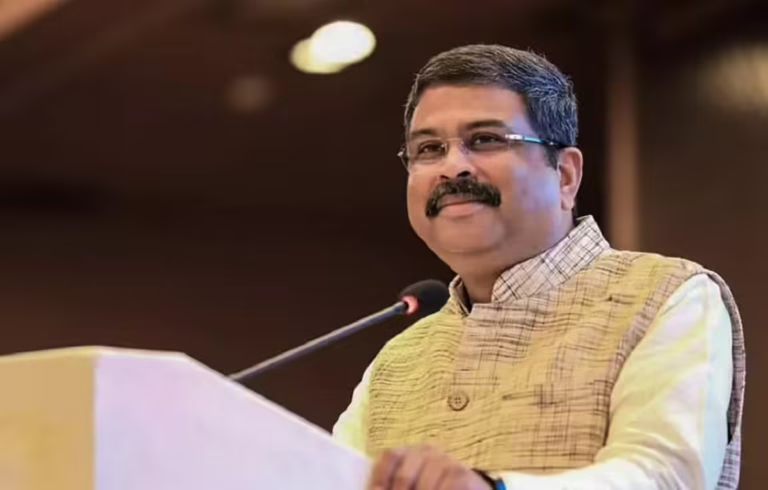
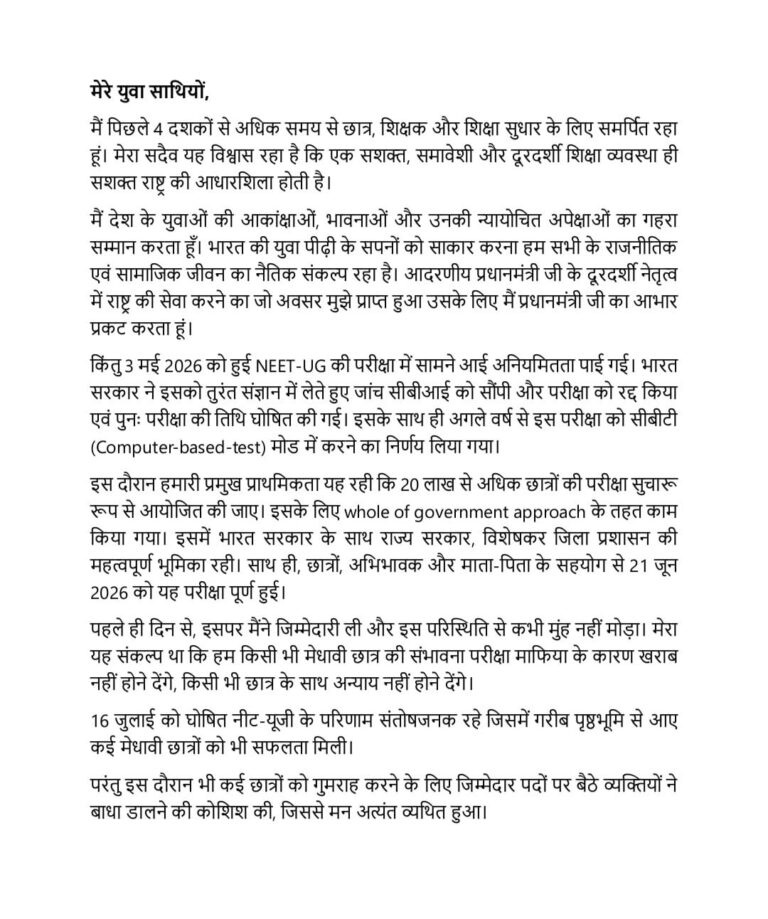
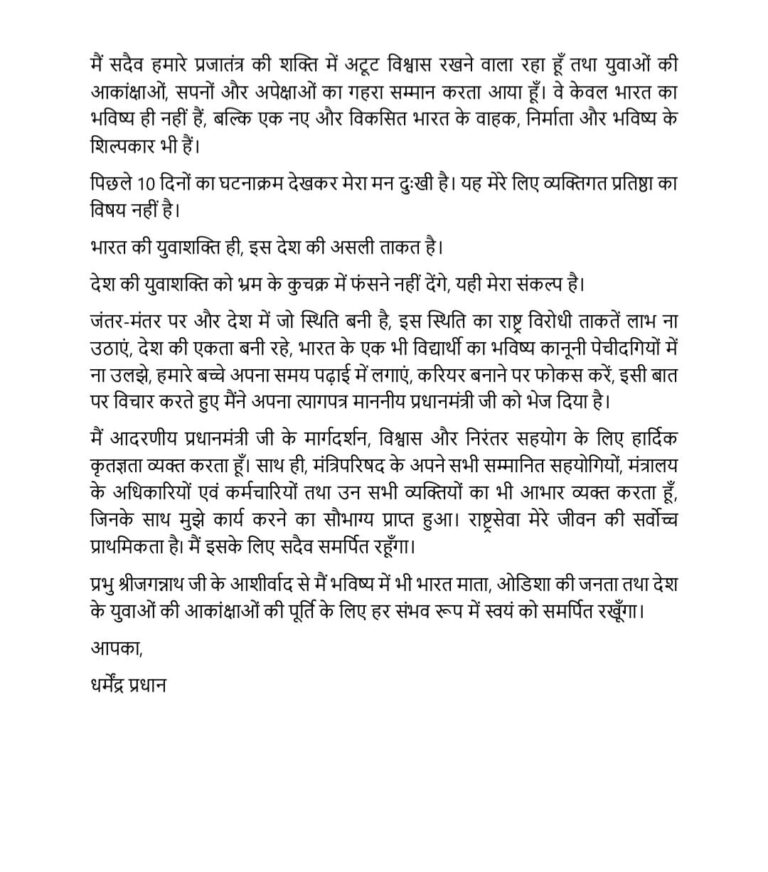
The reported resignation of Union Education Minister Dharmendra Pradhan has become one of the biggest political and educational developments in India in 2026. The news comes after weeks of nationwide protests, growing public pressure, and widespread demands for accountability over alleged examination irregularities and paper leak controversies. Students, parents, teachers, and civil society groups voiced concerns that the integrity of India’s examination system had been compromised, leading to calls for major reforms.
The movement gained momentum rapidly, with the CJP (Cockroach Janata Party) emerging as one of the most active organizations supporting the students’ demands. What began as frustration among exam aspirants gradually developed into a nationwide campaign that attracted attention from political leaders, education experts, media organizations, and the general public.
Background of the Controversy
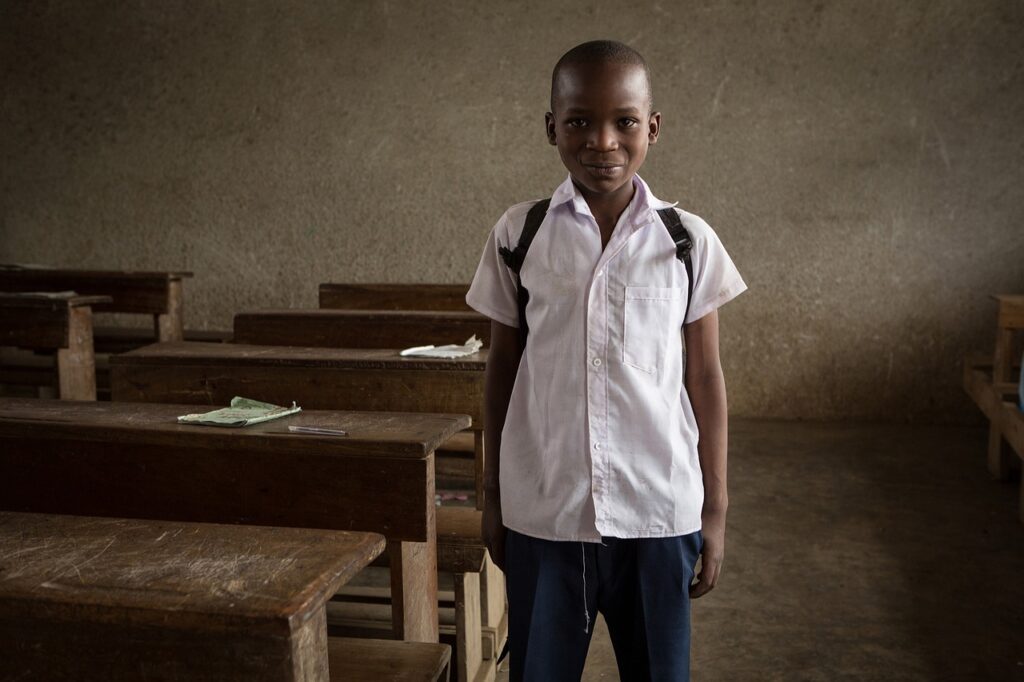
students spend months or even years preparing for entrance tests and recruitment examinations. For many families, these exams determine future educational opportunities and career prospects.
When allegations of paper leaks and examination irregularities surfaced, many students expressed disappointment and anger. They argued that such incidents undermine merit, waste years of preparation, and reduce public confidence in the examination process. Social media platforms quickly amplified these concerns, with hashtags related to education reforms and examination security trending nationwide.
As public discussions intensified, demands grew for transparent investigations, strict action against those responsible, and stronger safeguards to prevent similar incidents in the future.
How the CJP Protest Started
The CJP began organizing peaceful demonstrations in support of students seeking accountability. Initially, the protests were limited to a few locations, but they soon spread across several states as more students joined the movement.
The organization encouraged peaceful participation through rallies, public meetings, awareness campaigns, and demonstrations. Volunteers coordinated events in different cities while emphasizing non-violent methods of protest.
Students from universities, coaching institutes, and various competitive examination backgrounds participated in the movement. Aspirants preparing for engineering, medical, civil services, banking, SSC, railway, and other government recruitment examinations all expressed similar concerns about maintaining fairness in the examination system.
The Struggles Faced During the Movement
According to reports, the protest movement was not easy for participants. Protesters faced numerous challenges while continuing their campaign.
Some demonstrations required participants to spend long hours outdoors under difficult weather conditions. Volunteers worked continuously to organize rallies, arrange food and water, coordinate transportation, and ensure that demonstrations remained peaceful.
Reports also indicated that police imposed restrictions in certain areas to maintain law and order. In some places, protesters alleged that they faced barricades, detentions, or other administrative measures while attempting to continue their demonstrations.
Despite these challenges, many participants continued attending rallies and public meetings. Social media became an important platform for sharing updates, organizing volunteers, and increasing awareness about the movement.
Public Support Increased
One of the major reasons the movement attracted national attention was the broad support it received from different sections of society.
Parents expressed concern about the future of their children.
Teachers emphasized the importance of maintaining trust in the examination process.
Education experts called for stronger security measures and technological improvements.
Several student organizations joined demonstrations demanding reforms rather than temporary solutions.
Political parties also began raising the issue in legislative discussions, increasing pressure on the government to respond.
Media Coverage
National television channels, newspapers, and digital media extensively covered the protests and the examination controversy. Continuous reporting ensured that the issue remained part of the national conversation.
Experts participated in debates discussing examination security, digital monitoring systems, recruitment transparency, and policy reforms. Many commentators argued that public confidence in educational institutions depends on maintaining a fair and secure examination system.
Social media influencers, educators, and public figures also contributed to the discussion, helping the issue reach millions of people across the country.
Main Demands of the Protesters
Throughout the movement, protesters consistently highlighted several key demands:
- A transparent investigation into alleged examination irregularities.
- Strict legal action against individuals involved in paper leaks.
- Stronger digital security systems for future examinations.
- Greater transparency in examination management.
- Better protection for honest candidates.
- Long-term reforms to restore confidence in India’s examination system.
Many protesters emphasized that their movement was about protecting students’ futures rather than supporting any particular political agenda.
The Reported Resignation
Following weeks of sustained protests and increasing public attention, Union Education Minister Dharmendra Pradhan resigned from his position.
The resignation became one of the most significant political developments linked to the examination controversy, drawing nationwide attention and intensifying discussions on accountability and education reforms.
What Happens Next?
Even if leadership changes occur, education experts believe that the larger challenge remains ensuring the integrity of future examinations.
Suggested reforms include:
- Advanced encryption for digital question papers.
- Multi-layer security systems.
- Stronger cybersecurity monitoring.
- Faster investigation mechanisms.
- Severe penalties for organized paper leak networks.
- Independent auditing of examination processes.
Such measures could help restore confidence among students and reduce the risk of similar incidents.
Why This Issue Matters
Every year, millions of Indian students invest significant time, money, and effort preparing for competitive examinations. A fair examination system is essential to ensuring that success is determined by merit rather than unfair practices.
When confidence in the examination process declines, it affects not only individual candidates but also public trust in educational institutions. Therefore, calls for transparency and accountability have resonated with a wide section of society.