Origins and Root Causes of the Movement
What initially began as localized discontent has rapidly transformed into a major crisis across France. The roots of this nationwide movement trace back to mid-September, originating in a high school near Créteil in the Paris region. Disillusioned by declining standards, students began organizing strikes and setting up blockades at school gates.
The primary catalyst behind these protests is a widespread dissatisfaction with the current state of public education. Students cite severe budgetary cuts, acute shortages of qualified teachers and support staff, and overcrowded classrooms-where class sizes often exceed 30 to 35 students-as major hurdles to their learning. Furthermore, high schoolers face intense academic pressures stemming from rigid curriculum schedules and the stressful national university admissions portal (Parcourse). Feeling neglected by the Ministry of National Education, students took matters into their own hands to demand systemic reforms.
Demands for Basic Infrastructure and Learning Conditions
A central pillar of the students’ demands focuses on the appalling condition of basic school infrastructure. Protesters across multiple regions have highlighted stark deficiencies, including:
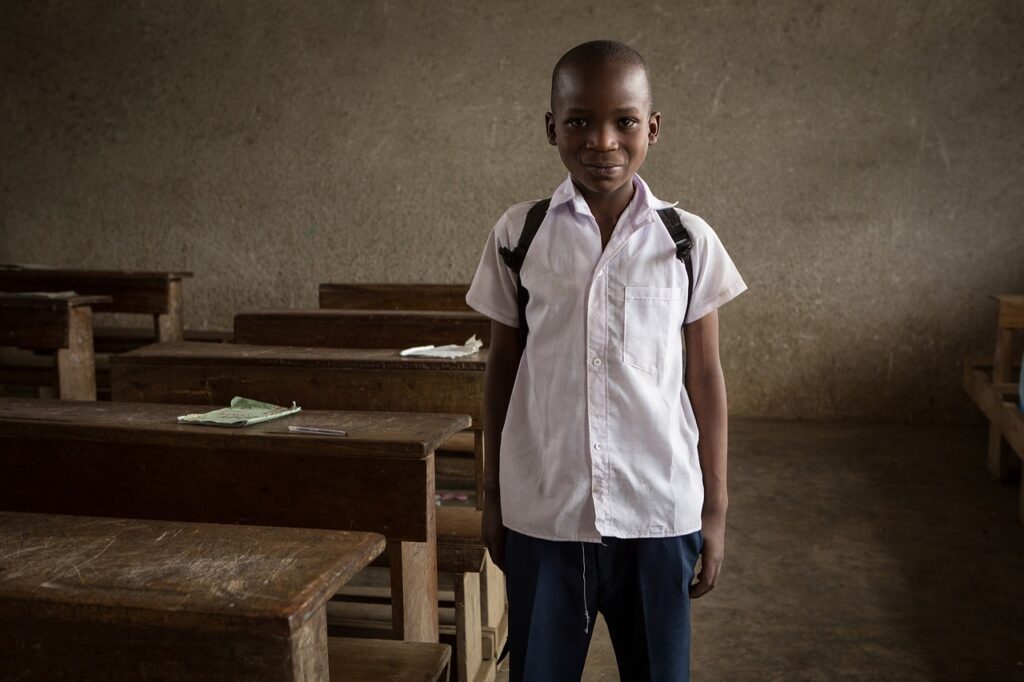
Inadequate Classroom Amenities: Reports of classrooms lacking basic furniture, such as sufficient desks and functional chairs.
Severe Physical Deterioration: Temporary and poorly insulated structures where temperatures swing drastically-dropping below freezing during winter and reaching extreme heat during summer-without proper ventilation or air conditioning.
Unsanitary Environments: Severe hygiene concerns, including pest infestations (such as rats and cockroaches) and non-functional or unserviced sanitation facilities.
Students argue that these unsafe and unsanitary environments severely compromise their health, dignity, and ability to focus on education. They are demanding immediate capital investment to renovate decaying facilities, hire substitute educators, and provide adequate social and medical staff in schools.
Escalation into a Nationwide Movement and Mass Rallies
What started as a localized protest quickly gained momentum, assisted significantly by social media platforms like TikTok, Instagram, and Snapchat. Videos of school blockades went viral, inspiring students across France to launch similar actions.
Within weeks, the movement expanded beyond high school students. Recognizing the shared strain on public services, national student unions, teachers’ associations, parent groups, and civil rights organizations joined the demonstrations. Massive rallies and street marches have swept through major French metropolitan areas, including Paris, Marseille, Lyon, Lille, Nantes, and Strasbourg. Hundreds of thousands of individuals have mobilized, converting a student protest into a comprehensive national movement demanding broader investments in public services and education.
Clashes, Blockades, and Police Action
As the protests intensified, school blockades became a primary tactic. High schoolers piled trash bins, metal barricades, and bicycle racks at school entrances to prevent classes from taking place.
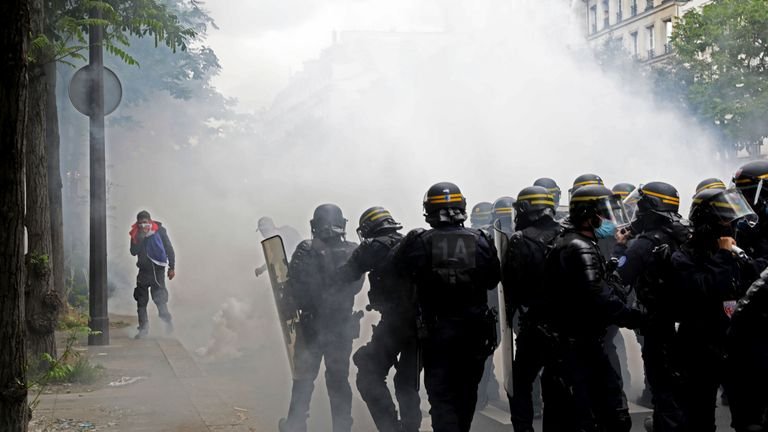
However, in several locations, peaceful demonstrations degenerated into urban unrest. Instances of arson—such as setting trash cans, vehicles, and street furniture on fire—occurred near educational facilities. Unrest also led to broader public disruptions, including blocked tram lines and clashes with law enforcement.
In response, riot police deployed heavy-handed containment measures, including tear gas, water cannons, and baton charges to clear blockades and disperse crowds. These confrontations resulted in injuries among both demonstrators and police officers, alongside hundreds of detentions and arrests nationwide.
Government Response and Official Position
The rapidly escalating crisis forced the French government to address the unrest directly. Prime Minister Sébastien Lecornu and the Ministry of National Education acknowledged the grievances expressed by students, promising to review education budget allocations and address structural concerns by the end of the month.
At the same time, the administration has taken a firm line against violence and property destruction. Prime Minister Lecornu strongly condemned the acts of arson, vandalism, and clashes near educational institutions, describing the escalation as “irresponsible” and emphasizing that public funds should go toward improving public services rather than repairing damaged infrastructure. While official channels remain open for dialogue, the government maintains a strong security stance to preserve order and restore normal operations in schools.