The World Health Organization (WHO)
Introduction
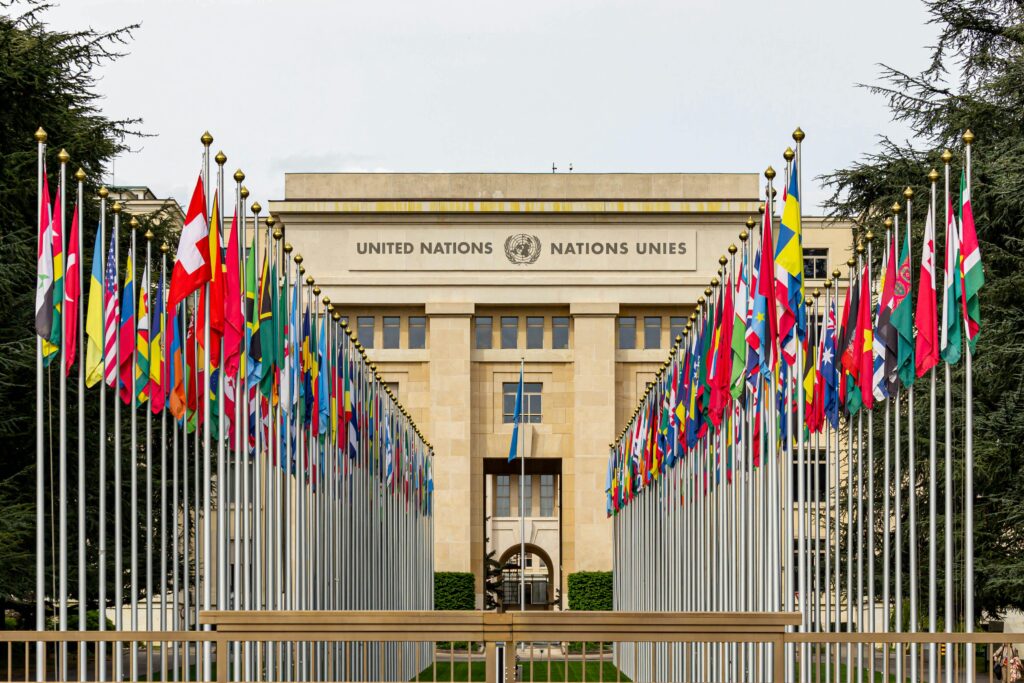
The World Health Organization (WHO) is the specialized health agency of the United Nations (UN). It plays a vital role in shaping global health policies, setting standards, coordinating international health efforts, and assisting countries in strengthening their healthcare systems. Headquartered in Geneva, Switzerland, WHO works with 194 member states to promote health, prevent diseases, and respond to public health emergencies. Over the decades, it has become a cornerstone of international cooperation in public health and medical science.
Background
The idea of creating a global health organization emerged after World War II, when the international community recognized the need for a coordinated approach to fight diseases that knew no borders. Epidemics like cholera, smallpox, malaria, and influenza highlighted the importance of joint action. Several attempts had been made earlier, such as the creation of the Office International d’Hygiène Publique (1907) and the Health Organization of the League of Nations (1920), but they were limited in scope and impact. After the establishment of the United Nations in 1945, it was decided that a specialized agency dedicated solely to global health was essential.
Formation Process
The official foundation of WHO took place on 7 April 1948, which is now celebrated every year as World Health Day. The process began in 1945 during the United Nations Conference on International Organization in San Francisco, where Brazilian and Chinese delegates proposed the creation of a global health body. In July 1946, the Constitution of WHO was signed by 61 countries at the International Health Conference in New York. The Constitution came into force on 7 April 1948 after ratification, marking the formal birth of WHO.
Founding Members
Initially, 61 countries signed the WHO Constitution, becoming its founding members. These included nations from different continents, such as the United States, United Kingdom, China, India, Canada, Brazil, Australia, France, and several Latin American and Middle Eastern countries. Over the years, WHO’s membership expanded significantly, and today it has 194 member states, making it one of the most universal organizations in the UN system.
Purpose & Goals
The central purpose of WHO is reflected in its Constitution:
“The enjoyment of the highest attainable standard of health is one of the fundamental rights of every human being without distinction of race, religion, political belief, economic or social condition.”
The major goals of WHO are:
1. health equity – ensuring everyone has access to essential healthcare services.
2. Preventing and controlling diseases – focusing on both communicable and non-communicable diseases.
3. Providing leadership on global health matters – coordinating international responses to health crises.
4. Setting norms and standards – issuing guidelines on medicines, vaccines, food safety, and healthcare practices.
5. Supporting research and innovation – encouraging new solutions for public health challenges.
6. Strengthening health systems – assisting countries in building strong medical infrastructure and training health workers.
Structure
WHO is governed and organized into several key bodies:
1. World Health Assembly (WHA): The main decision-making body where all member states participate. It meets annually to set policies, approve budgets, and review health priorities.
2. Executive Board: Composed of 34 members technically qualified in health, elected for three-year terms. It implements decisions of the WHA and advises on policy.
3. Director-General: The chief executive of WHO, elected by the World Health Assembly. The Director-General oversees the Secretariat and global operations.
4. Regional Offices: WHO operates six regional offices – Africa (AFRO), the Americas (PAHO), South-East Asia (SEARO), Europe (EURO), Eastern Mediterranean (EMRO), and Western Pacific (WPRO). These offices address region-specific health needs.
5. Secretariat: Thousands of experts, scientists, doctors, and public health professionals working worldwide in different WHO programs and missions.
Major Achievements
WHO has made remarkable contributions to global health since its creation:
1. Smallpox Eradication (1980): WHO led the global vaccination campaign that completely eradicated smallpox, one of humanity’s deadliest diseases.
2. Polio Reduction: Through the Global Polio Eradication Initiative, WHO has reduced polio cases worldwide by more than 99%.
3. Expanded Programme on Immunization (1974): Ensured widespread access to vaccines for children against diseases like measles, diphtheria, and tuberculosis.
4. HIV/AIDS Response: WHO played a leading role in coordinating global strategies to combat HIV/AIDS, ensuring access to antiretroviral therapies.
5. Tobacco Control: The WHO Framework Convention on Tobacco Control (2003) was the first international treaty negotiated under WHO to fight smoking-related illnesses.
6. COVID-19 Pandemic Response: WHO coordinated international efforts, issued health guidelines, promoted vaccination campaigns, and provided emergency support to countries.
7. Health Research & Data: WHO provides critical global health statistics and leads initiatives in mental health, nutrition, maternal and child health, and universal health coverage.
Challenges
Despite its achievements, WHO faces several challenges in today’s complex world:
1. Funding Dependence: WHO relies heavily on voluntary contributions from member states and private donors, which sometimes restricts its independence.
2. Political Pressures: Geopolitical tensions often influence WHO’s decisions, leading to criticisms about bias or lack of transparency.
3. Emerging Diseases: New infectious diseases like COVID-19, Ebola, Zika, and potential pandemics challenge WHO’s response capacity.
4. Non-Communicable Diseases: Growing global burden of diabetes, cancer, heart disease, and mental health issues require more focus and resources.
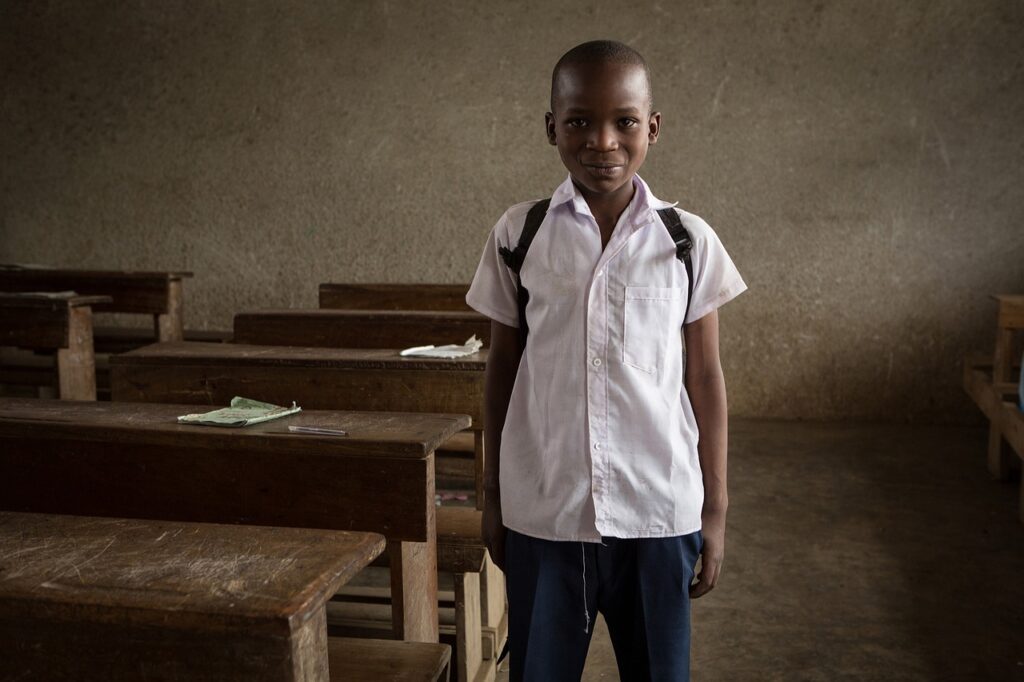
5. Health Inequalities: Many developing countries still lack proper healthcare systems, medicines, and trained staff.
6. Climate Change & Environmental Health: Rising temperatures, pollution, and natural disasters are creating new health risks worldwide.
7. Misinformation: In the digital age, health misinformation spreads quickly, undermining public trust in science and vaccines.
Conclusion
The World Health Organization has been a pillar of global health governance since 1948. From eradicating smallpox to guiding the world during the COVID-19 pandemic, it has demonstrated the power of international cooperation in protecting humanity’s health. However, challenges such as funding issues, political interference, and rising health inequalities highlight the need for reforms and stronger support. Going forward, WHO’s role will remain indispensable in addressing future health crises, promoting universal healthcare, and ensuring that every person can achieve the highest possible standard of health.