Meaning, Purpose, and How It Works
Daylight Saving Time (DST) is a system used by many countries to make better use of natural daylight during the longer days of the year. In this system, clocks are adjusted forward by one hour in the spring and moved back by one hour in the autumn. The main idea behind this change is to allow people to enjoy more daylight in the evening and reduce the need for artificial lighting. Daylight Saving Time is mainly followed in countries in North America and Europe, while many other countries do not use this system.
The concept of Daylight Saving Time has been around for more than a century. It became popular during the early twentieth century when governments were searching for ways to conserve energy. By shifting the clock forward during the summer months, people could rely more on natural sunlight instead of electric lighting. Although the energy-saving benefits are still debated today, many countries continue to use the system because it also supports outdoor activities and economic activity during longer evenings.
When Daylight Saving Time Starts in 2026
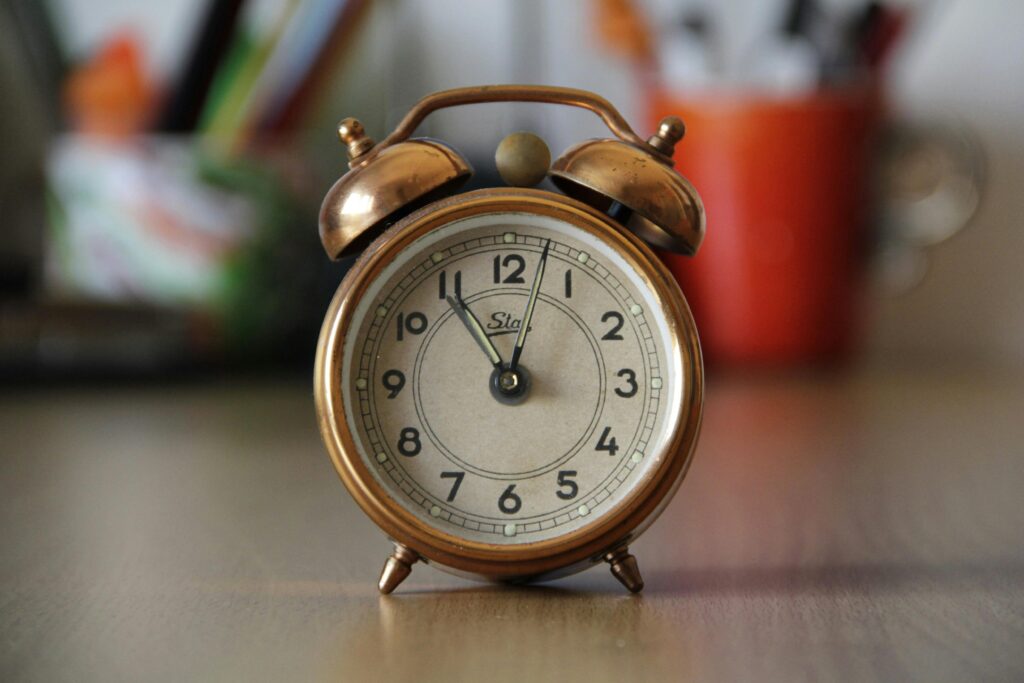
In 2026, Daylight Saving Time will begin on March 8, 2026 in countries that follow the system, such as the United States and Canada. On this day, clocks are moved one hour forward, usually at 2:00 AM. This change is commonly known as “spring forward.” When the clocks move forward, people effectively lose one hour of sleep that night. However, the benefit is that evenings will have more daylight.
The start of DST marks the beginning of longer and brighter evenings. After the clocks move forward, the sun will appear to set later in the day, giving people more daylight after work or school. Many people enjoy this change because it allows them to spend more time outdoors.
When Daylight Saving Time Ends in 2026
Daylight Saving Time in 2026 will end on November 1, 2026. On this day, clocks are moved one hour back. This process is known as “fall back.” When clocks move backward, people gain an extra hour, which means they can sleep one hour longer that night.
After DST ends, evenings become darker earlier because the clock returns to the standard time used during the winter months. This shift prepares people for shorter days and longer nights during the winter season.
Why Daylight-Saving Time Is Used
There are several reasons why many countries use Daylight Saving Time. One of the main reasons is to make better use of natural daylight. During the summer, the sun rises very early in the morning and sets late in the evening. Without adjusting the clock, much of the early morning sunlight might be wasted while people are still sleeping.
By moving the clock forward, daylight is shifted to the evening hours when people are more active. This can reduce the need for artificial lighting and may help lower electricity consumption. Another advantage is that people can enjoy outdoor activities such as sports, shopping, and traveling during longer evenings.
Businesses, especially those related to tourism, entertainment, and retail, often benefit from longer daylight hours. When people have more light in the evening, they are more likely to go outside, visit parks, eat at restaurants, or shop at stores.
Countries That Follow Daylight Saving Time
Not every country uses Daylight Saving Time. The system is commonly followed in regions with large seasonal differences in daylight hours. For example, countries like the United States, Canada, Germany, France, and the United Kingdom observe DST each year.
However, many countries in Asia, Africa, and the Middle East do not use this system. These regions often have more consistent daylight hours throughout the year, so changing the clock is not considered necessary.
Why India Does Not Use Daylight Saving Time
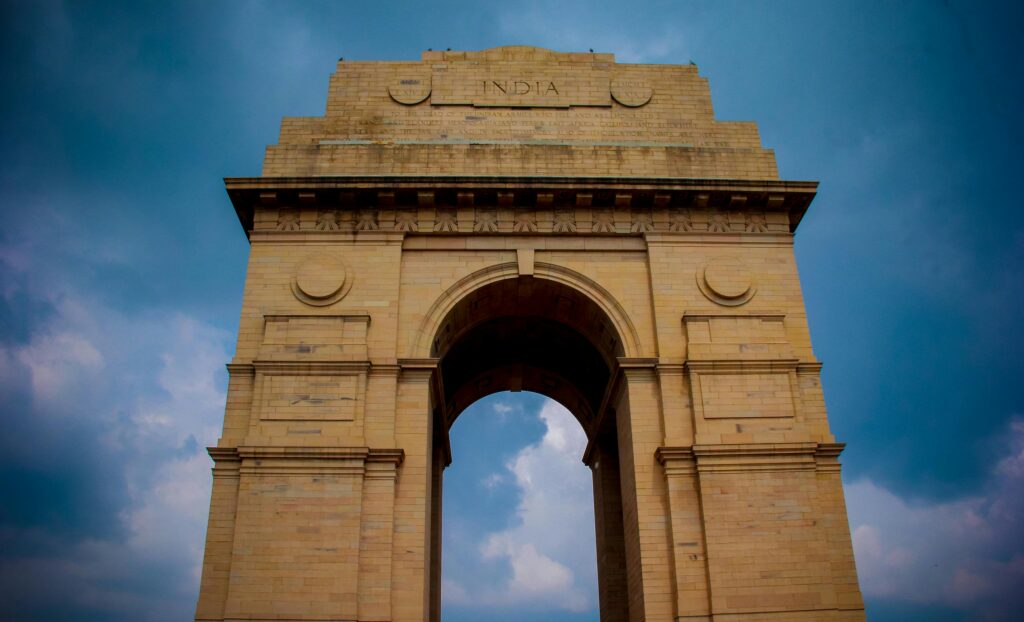
Countries like India do not follow Daylight Saving Time. India uses Indian Standard Time (IST) throughout the entire year without changing clocks. One reason for this is that India is located closer to the equator compared to many Western countries. Because of this location, the difference between summer and winter daylight hours is relatively small.
Since the variation in daylight is not very large, adjusting clocks would not provide significant benefits. Therefore, the country maintains a fixed time zone for the whole year.
Advantages and Criticism of Daylight Saving Time
While Daylight Saving Time has several advantages, it also faces criticism. Supporters believe that it encourages outdoor activities, improves road safety in the evening, and may reduce electricity usage. Longer daylight hours can also improve people’s mood and productivity.
On the other hand, critics argue that changing the clocks can disrupt sleep patterns and daily routines. Some people experience temporary tiredness or confusion when the clocks change. Studies also show that the energy savings from DST may not be as large as originally expected.
Because of these debates, some countries and regions have discussed the possibility of ending Daylight Saving Time in the future.
“In the quiet night, the moon seems to say something,
Every secret of the heart wants to be told.
On the roads of life, both joy and sorrow appear,
Yet people keep moving forward with a smile.
Dreams come true only when shaped with hard work,
Otherwise, thousands of thoughts come every night.”