Introduction
Education is one of the most important pillars of overall human development. It not only teaches us how to read and write or pass examinations, but also helps in shaping our thinking, values, and decision-making abilities. Through education, individuals gain knowledge, develop skills, and become responsible and aware members of society.
From early childhood to adulthood, education plays a vital role at every stage of life. It builds self-confidence, opens doors to better opportunities, and empowers people to improve their quality of life. In today’s rapidly changing and competitive world, progress in fields like technology, health, economy, and governance largely depends on education. That is why education is considered the foundation of equality, human dignity, and sustainable development.
Purpose of Education
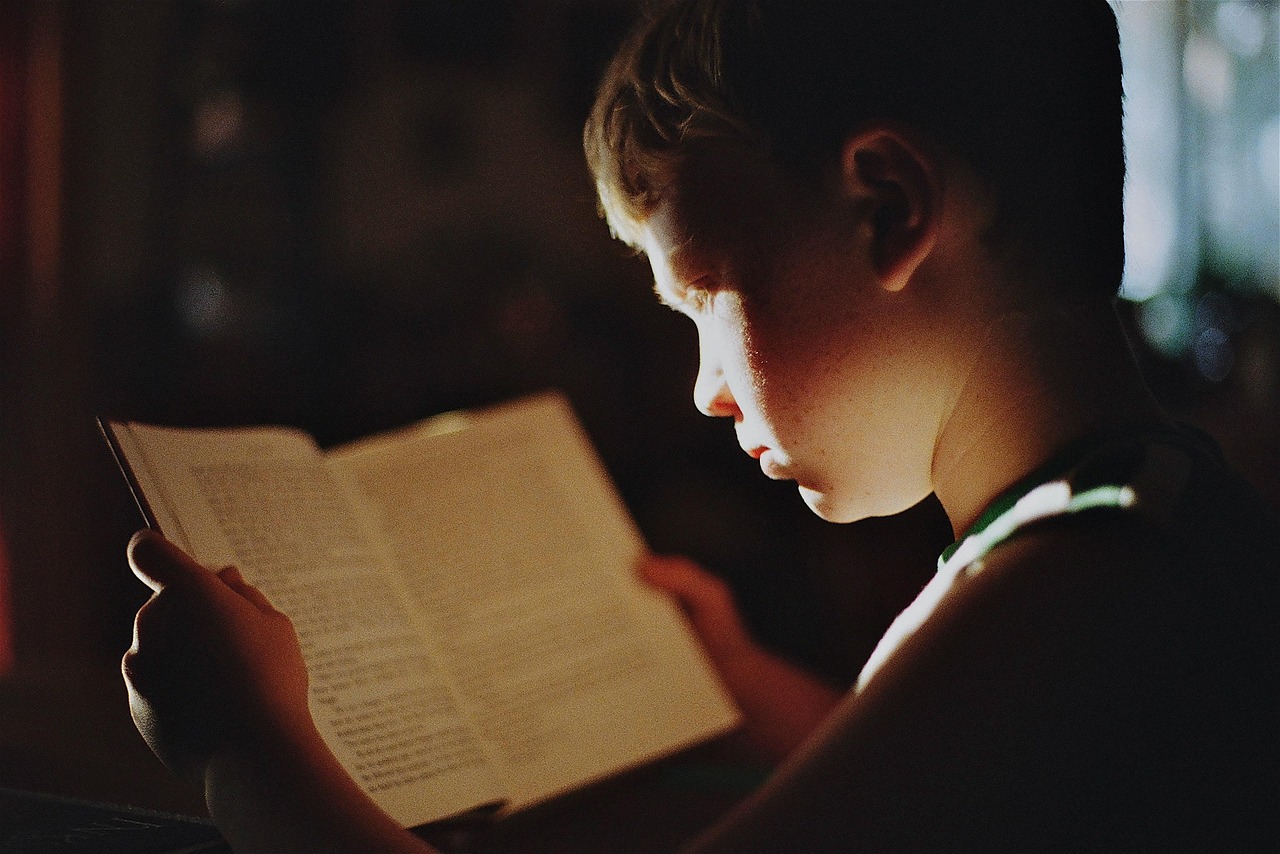
The purpose of education is not limited to gaining knowledge from books or achieving academic success; it aims at the overall development of an individual. Education helps in shaping a person’s character, attitude, and way of thinking. It develops critical and logical thinking skills, enabling individuals to analyze situations, solve problems, and make informed decisions in their personal as well as professional lives.
One of the major purposes of education is to prepare individuals for self-reliance and employment. By developing practical skills, creativity, and innovation, education empowers people to earn a livelihood and contribute to economic growth. It also helps individuals adapt to social and technological changes in a rapidly evolving world.
Education plays a crucial role in promoting social values such as equality, justice, tolerance, and respect for others. It creates awareness about human rights, duties, and responsibilities, helping people become responsible citizens. Furthermore, education encourages lifelong learning, personal growth, and social harmony. In essence, the true purpose of education is to empower individuals to lead meaningful lives and contribute positively to the development of society and the nation.
Global Challenges in Education
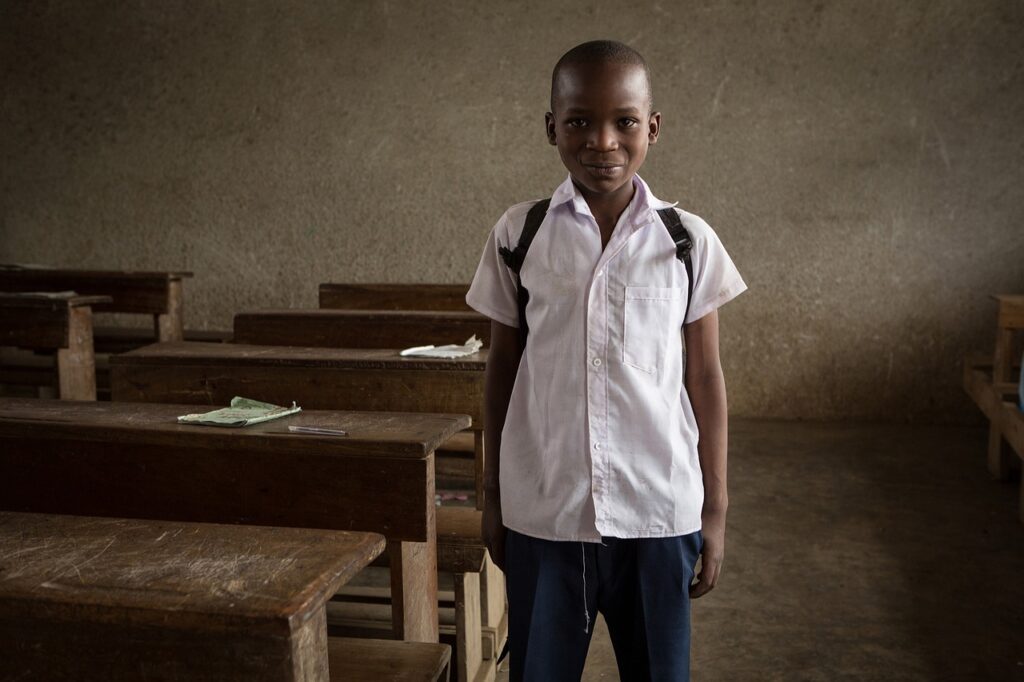
Even though education is recognized as a fundamental right, the world continues to face many serious challenges in ensuring quality education for everyone. One of the biggest problems is poverty, which forces millions of children to drop out of school and engage in labour to support their families. In conflict-affected and war-torn regions, schools are often destroyed or unsafe, leaving children without access to learning for years.
Inequality in education is another major global challenge. In many parts of the world, girls still do not receive the same educational opportunities as boys due to cultural, social, and economic barriers. Children with disabilities also face exclusion because of a lack of inclusive infrastructure and trained educators. Moreover, students living in rural and remote areas often suffer from poor school facilities, shortage of qualified teachers, and limited learning resources compared to urban areas.
The rapid growth of technology has introduced the issue of digital divide. While online learning has expanded educational opportunities for some, millions of students lack access to the internet, digital devices, and basic technical skills. This gap became more visible during global crises such as the COVID-19 pandemic. Additionally, the quality of education remains a concern worldwide due to outdated curricula, overcrowded classrooms, low teacher training, and insufficient funding. Overcoming these challenges requires strong global cooperation, effective policies, and sustained investment to make education inclusive, equitable, and accessible for all.
Education and Human Rights
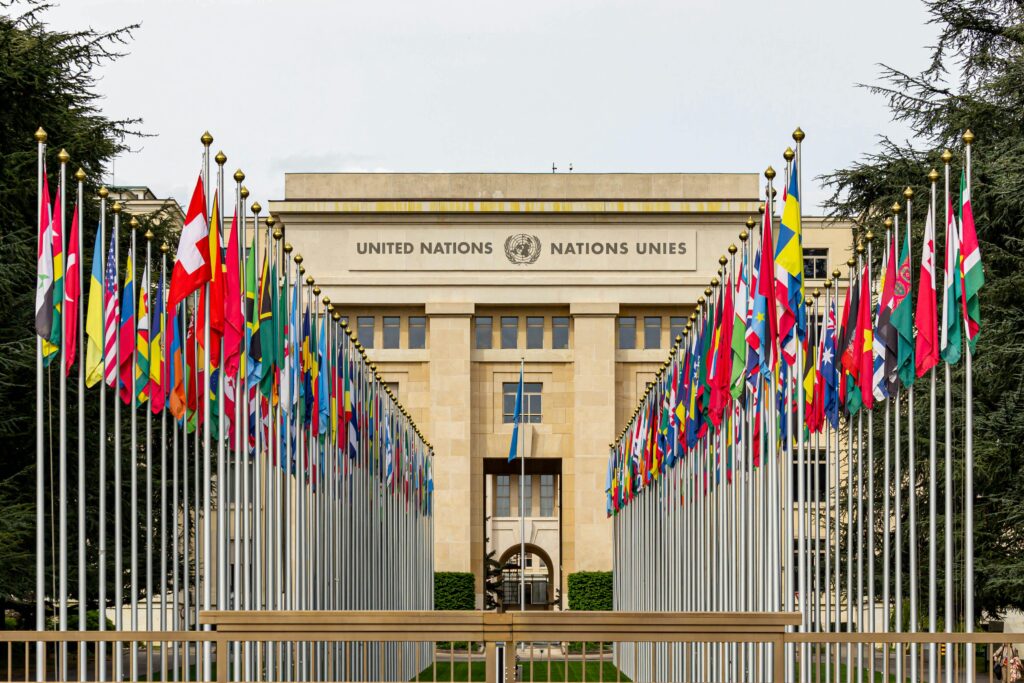
Education is closely connected to human rights and is recognized as a fundamental human right by the United Nations. Every individual, regardless of gender, caste, religion, nationality, or economic background, has the right to receive quality education. Education empowers people by making them aware of their rights, freedoms, and responsibilities, which is essential for building a democratic society.
Through education, individuals learn about equality, dignity, and respect for others. It helps reduce discrimination, child labor, exploitation, and social injustice by promoting awareness and critical thinking. An educated person is more likely to stand against injustice, demand equal treatment, and contribute to peaceful coexistence. Education also supports other human rights such as the right to health, employment, and freedom of expression by providing knowledge and skills needed to improve living conditions.
Moreover, education plays a vital role in empowering marginalized and vulnerable groups, including women, children, and minorities. When people are educated, they gain the confidence to participate in social, economic, and political life. In this way, education not only protects human rights but also strengthens democracy, promotes social justice, and helps create a fair, inclusive, and sustainable world for all.
“Education is the light that guides our way,
Turning dreams into hope, night into day.
It shapes our thoughts and helps us grow,
Teaching us the things we need to know.”
Read more chapters:
chapter 1
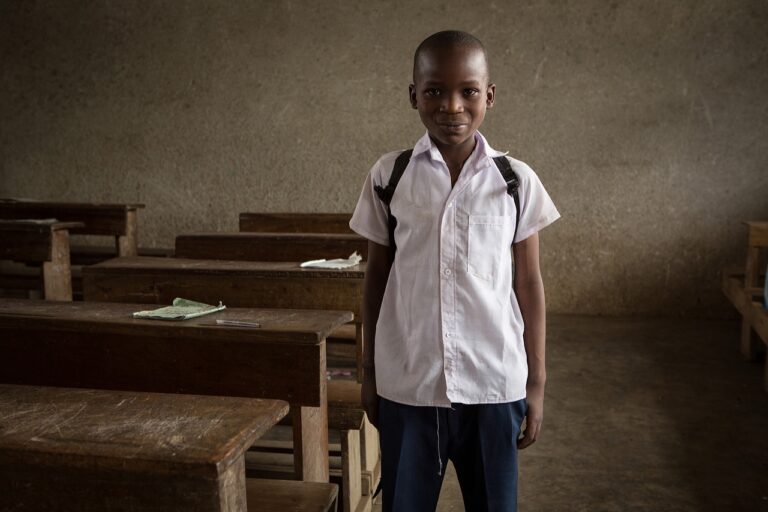
The basic meaning of education is learning and understanding. Education is a process through which a person gains knowledge, skills, values, and the ability to think clearly.
Chapter 2
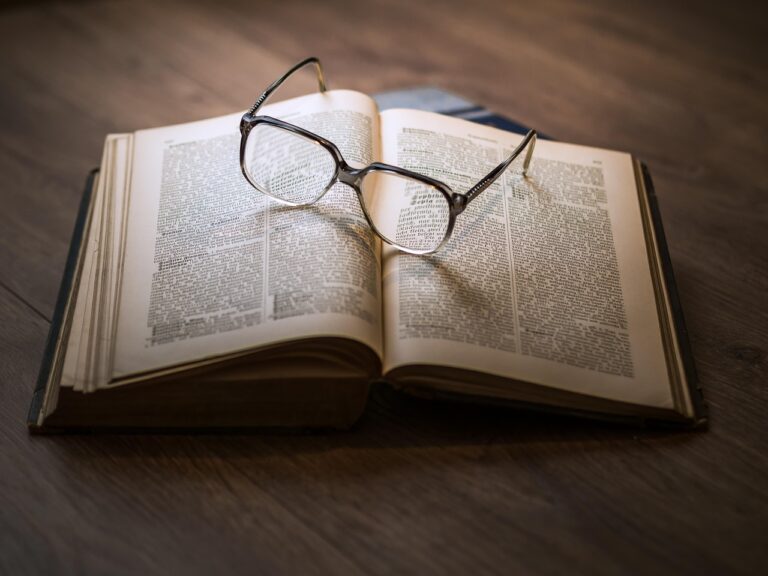
One of the main purposes of education is to provide knowledge. Knowledge allows individuals to understand the world around them, including science, history, culture, and society.

Chapter 3
Education plays a very important role in shaping an individual, a society, and a nation. It is not limited to books and classrooms; education helps people understand life, develop skills, and contribute positively to the world.
Chapter 4
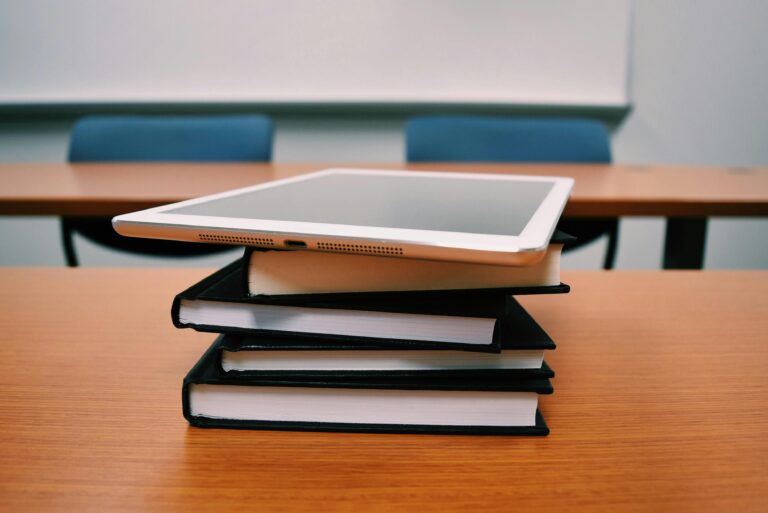
Education plays a very important role in shaping an individual, a society, and a nation. It is not limited to books and classrooms; education helps people understand life, develop skills, and contribute positively to the world.