Types of Education
Education can be divided into three main types based on how and where learning takes place: Formal, Informal, and Non-formal Education.

Formal Education (School, College)
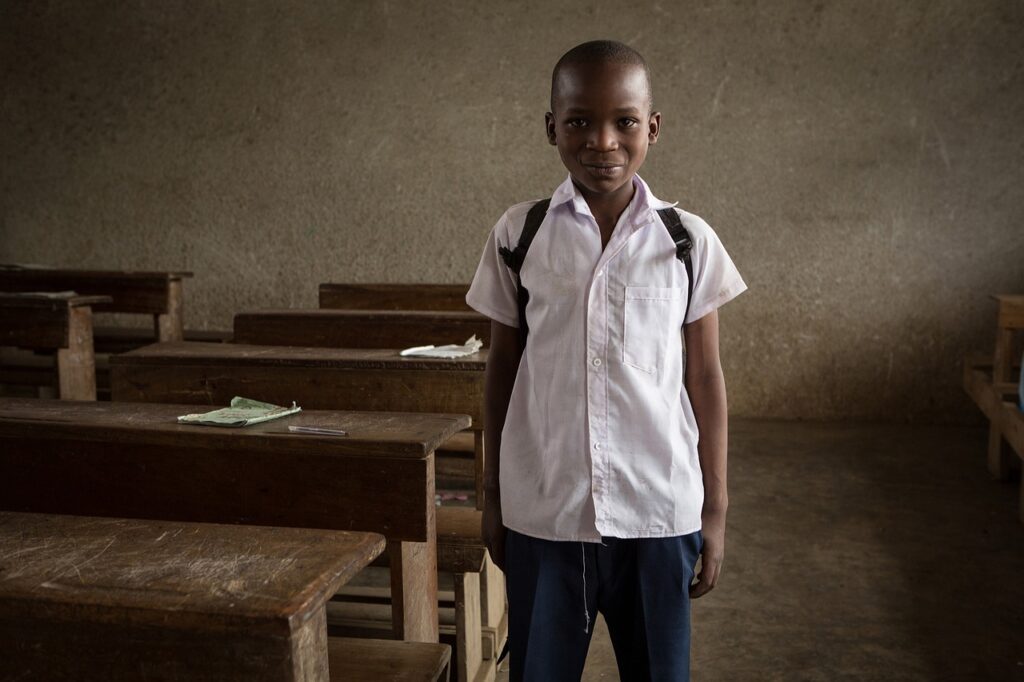
Formal education is the structured and systematic type of education provided by schools, colleges, and universities. It follows a fixed curriculum, regular classes, examinations, and certifications.
Students learn subjects like mathematics, science, languages, history, and professional courses under the guidance of trained teachers. Formal education helps in gaining recognized degrees and qualifications, which are important for higher studies and jobs.
Examples:
School education (primary, secondary, senior secondary)
College and university education
Professional degrees like engineering, medicine, law, etc.
Formal education builds academic knowledge, discipline, and career foundations.
Informal Education (Family, Society)
Informal education is the type of learning that happens naturally in daily life. It does not follow any fixed syllabus or timetable and does not provide certificates.
This education starts from family, friends, society, culture, and life experiences. Children learn values, manners, communication skills, behaviour, and moral lessons by observing others.
Examples:
Learning good habits from parents
Social skills learned from friends
Life lessons from experiences
Cultural knowledge from society
Informal education plays a major role in personality development, character building, and social behavior.
Non-Formal Education (Online Courses, Skill Training)
Non-formal education is organized learning outside the traditional school system. It is flexible, practical, and mostly focused on skill development.
This type of education is very popular in today’s digital world, where people learn new skills according to their interests and career needs.
Examples:
- Online courses and certifications
- Skill training programs
- Workshops and seminars
- Vocational and technical training
Non-formal education helps people improve employability, practical knowledge, and lifelong learning, especially for those who cannot follow regular schooling.
“Formal education gives us a start,
School and college shape the mind and heart.
Books, exams, and a structured way,
Help us learn step by step each day.
Informal education comes from life,
From family, friends, and daily strife.
We learn from elders, stories, and care,
Lessons are found everywhere.
Non-formal education shows a new road,
Skills and knowledge easily downloaded.
Online courses and training too,
Help us learn something fresh and new.
Different paths, but one true aim,
To help each person grow the same.”