Explore India’s geography, ancient history, vibrant culture, economy, education, innovation, and environment — a complete guide to the world’s largest democracy.
Geographical Overview /-
India, located in South Asia, is a vast country situated on the Asian continent. It shares its borders with Pakistan to the west, China, Nepal, and Bhutan to the north, and Bangladesh and Myanmar to the east. To the south, it is flanked by the Indian Ocean, with the Arabian Sea on the west and the Bay of Bengal on the east. Covering around 3.28 million square kilometres, India has one of the most diverse geographical landscapes in the world. In the north, the majestic Himalayas dominate, including some of the tallest peaks on Earth. Moving southward, the land transitions into fertile plains nourished by major rivers like the Ganga, Yamuna, Brahmaputra, Godavari, and Krishna. India also has many significant lakes such as Wular Lake, Chilika Lake, Dal, and Sambhar. The country’s climate varies massively — from the cold and snowy mountains in the north to the hot Thar Desert in Rajasthan, tropical coasts in Kerala and Goa, and moderate climates in the northeast hills. India experiences four seasons: summer, monsoon, autumn, and winter, each shaping life and agriculture differently. In terms of natural resources, India is super rich – with huge reserves of coal, iron ore, bauxite, mica, limestone, and even oil and natural gas in regions like Assam, Gujarat, and offshore areas like Mumbai High. Around 24% of the land is covered with forests, which are home to timber, medicinal plants, and biodiversity like tigers, elephants, and rare birds.
Political Structure /-
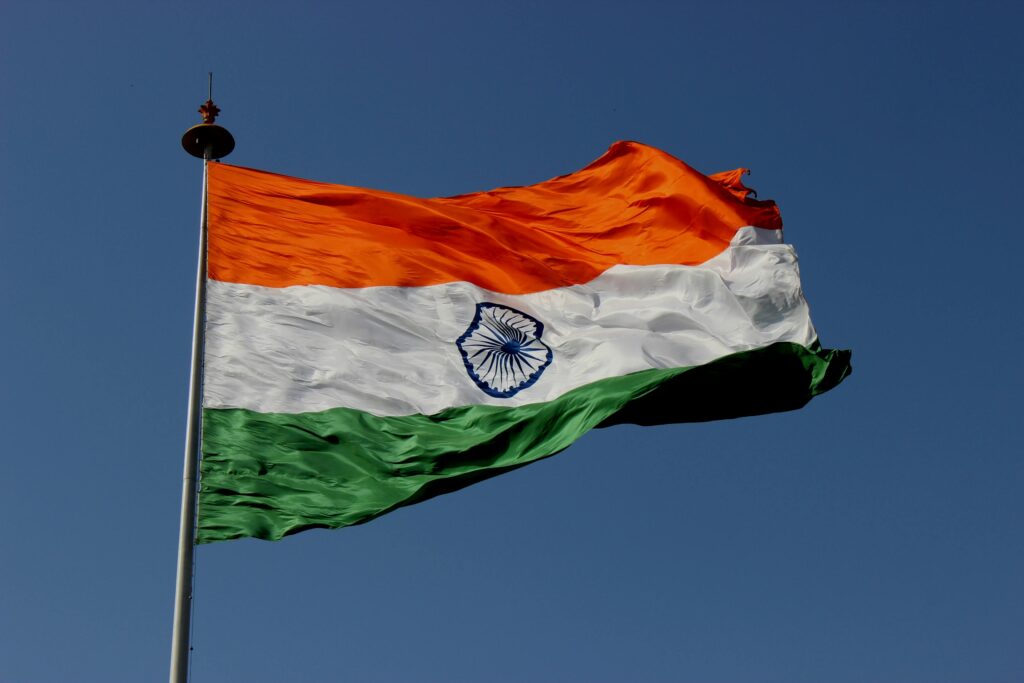
India follows a parliamentary democratic system, meaning the people elect their leaders, and the government is run by representatives chosen through elections. India is a sovereign, socialist, secular, democratic republic as declared in its Constitution, which came into effect on 26th January 1950. The Constitution is the longest written constitution in the world and lays down the structure, powers, and duties of the government and citizens’ rights. India has a three-tier government system – Legislative (makes laws), Executive (implements laws), and Judiciary (interprets laws). The President of India is the head of state, while the Prime Minister is the head of government and holds real power. The Indian Parliament consists of two houses – Lok Sabha (Lower House) and Rajya Sabha (Upper House). Major political parties include the Bharatiya Janata Party (BJP), which is currently in power, and the Indian National Congress (INC), which played a key role during the freedom struggle. Other important parties include Aam Aadmi Party (AAP), Trinamool Congress (TMC), Samajwadi Party (SP), and Bahujan Samaj Party (BSP). Some of the most iconic leaders in Indian politics have been Jawaharlal Nehru (first PM), Indira Gandhi, Dr. A.P.J. Abdul Kalam, Dr. B.R. Ambedkar (Constitution’s architect), and Narendra Modi, the current Prime Minister. The Indian political system is vast, dynamic, and constantly evolving, reflecting the diversity and complexity of the nation itself.
History /-
India has one of the world’s oldest and richest histories, starting with the Indus Valley Civilization around 2500 BCE, one of the earliest urban cultures in the world, known for advanced cities like Harappa and Mohenjo-Daro. After that, the Vedic period laid the foundation of Hinduism, followed by powerful empires like the Maurya Empire under Emperor Ashoka, who spread Buddhism, and the Gupta Empire, known as the “Golden Age” of Indian science, art, and literature. In medieval times, India saw the rise of Islamic rule, including the Delhi Sultanate and the mighty Mughal Empire, whose rulers like Akbar and Shah Jahan left behind stunning architecture like the Taj Mahal. From the 1600s onwards, European powers like the Portuguese, Dutch, and French came, but it was the British East India Company that slowly took control, leading to full British colonization by 1858. After years of exploitation, poverty, and revolts like the 1857 Sepoy Mutiny, India rose up again with mass freedom movements. The Indian National Congress and leaders like Mahatma Gandhi, Jawaharlal Nehru, and Subhas Chandra Bose played key roles. Gandhi’s philosophy of non-violence (Ahimsa) led millions in peaceful protests, marches, and civil disobedience. Finally, India gained independence from British rule in 1947 after a non-violent movement led by Mahatma Gandhi. Partition followed, leading to the creation of Pakistan. Since independence, India has grown as a sovereign, democratic republic, going through major changes like Green Revolution, Emergency (1975), economic liberalization (1991), and emerging as a global power.
Culture & Traditions /-
India is globally known for its rich and diverse culture that has evolved over thousands of years. One of the most striking features of Indian culture is its linguistic diversity. The country recognizes 22 official languages under the Constitution, including Hindi, Bengali, Tamil, Telugu, Marathi, Gujarati, Punjabi, Malayalam, and more, while English is widely used for communication, business, and education.
Religion plays a major role in shaping Indian culture. India is the birthplace of Hinduism, Buddhism, Jainism, and Sikhism, and also home to large populations of Muslims, Christians, and Jews. Spirituality is deeply rooted in everyday life, and places of worship like temples, mosques, churches, and Gurudwaras are found in every corner of the country.
India is often called the “Land of Festivals” because there’s always something being celebrated. From Diwali (Festival of Lights) and Holi (Festival of Colours) to Eid, Christmas, Navratri, Durga Puja, Baisakhi, and Pongal, each festival represents a unique cultural tradition. These festivals are celebrated with music, dance, food, and rituals that bring families and communities together.
Traditional Indian clothing also varies by region. Women commonly wear sarees, salwar kameez or lehengas, while men may wear kurta-pajama, dhoti, or sherwani during special occasions. However, western clothing is also widely worn, especially in urban areas. Despite modernization, traditional attire still holds strong cultural importance.
Lifestyle in India beautifully balances modern life with traditional values. In many parts of the country, especially rural areas, the joint family system still exists, where multiple generations live together under one roof. Respect for elders, sharing meals, family bonding, and spiritual practices are key parts of daily life.
In short, India’s culture is a colourful blend of languages, religions, traditions, art, and social values. It’s this diversity that makes Indian culture not just one of the oldest in the world, but also one of the most alive and evolving.
Food and cuisine /-
India’s food and cuisine are as diverse as its culture, with every region offering its own unique Flavors, ingredients, and cooking styles. In the north, dishes like Butter Chicken, Chole Bhature, Paneer Tikka, and Parathas are popular, with a focus on wheat, dairy, and rich spices. The south is known for Dose, Idle, Sambar, Rasam, and filter coffee, with rice and coconut-based curries forming the base of most meals. In the west, you’ll find Gujarati thalis, Rajasthan Bal Baati Churma, Goan Seafood, and Maharashtrian Vada Pav, all distinct in taste and ingredients. The eastern region offers unique flavours with dishes like Momus, fish curry (especially in Bengal), Pakhala Bhat, and various sweets like Rasgulla and Sandesh.
Indian cuisine has a vibrant street food culture, especially in cities like Delhi, Mumbai, Kolkata, and Lucknow, where dishes like Pani puri, samosas, Pav bhaji, kathi rolls, and chaat are loved by all age groups. On the other hand, traditional food is usually more balanced and home-cooked, often including rice, lentils (dal), vegetables, roti, and pickles — cooked with love in Indian homes.
The flavours of Indian food have also been shaped by historical influences. Persian and Mughal rulers introduced rich gravies, biryanis, kebabs, and dry fruits in cooking, especially in Mughlai cuisine. Portuguese influence brought dishes like vindaloo and the use of potatoes and tomatoes. Chinese-inspired Indo-Chinese cuisine, like Hakka noodles, chilli paneer, and Manchurian, has also become wildly popular, especially among the youth. All these influences blend with regional traditions to create a cuisine that is complex, spicy, aromatic, and absolutely unforgettable.
Tourism & Landmarks /-
India is one of the top travel destinations in the world, offering a mix of historical landmarks, natural beauty, spiritual sites, and adventure zones. When it comes to historical monuments, the Taj Mahal in Agra tops the list – a symbol of love and one of the Seven Wonders of the World. Other iconic sites include the Red Fort and Qutub Minar in Delhi, Hawa Mahal and Amber Fort in Jaipur, Mysore Palace, and ancient structures like the Khajuraho Temples and Konark Sun Temple. India’s natural diversity is equally impressive – from the snowy mountains of the Himalayas and desert landscapes of Rajasthan, to lush green hills in the Western Ghats, backwaters of Kerala, and pristine beaches in Goa, Andaman, and Odisha.
India is also home to 40+ UNESCO World Heritage Sites, including Ajanta-Ellora Caves, Kaziranga National Park, Sundarbans, Churches of Goa, and the Great Living Chola Temples. These sites reflect the rich cultural, natural, and architectural heritage of the country.
For those seeking thrill, adventure tourism is booming – activities like trekking in Himachal and Uttarakhand, paragliding in Bir-Billing, river rafting in Rishikesh, skiing in Gulmarg, and scuba diving in the Andaman Islands attract thrill-seekers from around the world. At the same time, spiritual tourism draws millions of pilgrims every year to sacred places like Varanasi, Rishikesh, Haridwar, Bodh Gaya, Amritsar, Tirupati, and Kedarnath. Whether you’re looking for peace, excitement, or historical exploration, India has something unforgettable for every type of traveler.
Economy /-
India is one of the fastest-growing economies in the world, with a GDP of over $3.7 trillion, making it the 5th largest economy globally (as of 2025). The Indian economy is broadly divided into three main sectors: agriculture, industry, and services. Agriculture employs a large part of the population, with key crops like rice, wheat, sugarcane, cotton, and spices being produced at massive scales. The industrial sector includes textiles, chemicals, steel, automobiles, cement, and pharmaceuticals, while the services sector – especially Information Technology (IT), telecom, finance, and e-commerce – plays a major role in driving the economy forward.
India is a major exporter of software services, petroleum products, gems and Jewelry, textiles, pharmaceuticals, and agricultural products like tea and spices. On the other hand, it imports crude oil, gold, electronic goods, machinery, and chemicals to meet the needs of its growing population and industries.
The country has consistently shown a strong Economic Growth Rate, often ranging between 6% to 8% Annually in recent years, although it occasionally fluctuates due to global and domestic factors. India is seen as a key player in the world economy, often referred to as the IT hub of the world due to its massive software and tech services exports. Additionally, India is rising fast in manufacturing under initiatives like Make in India, and its large consumer market makes it a hotspot for global investors. With its young population, growing infrastructure, and digital push, India’s economic future looks strong and globally influential.
Education & Literacy /-
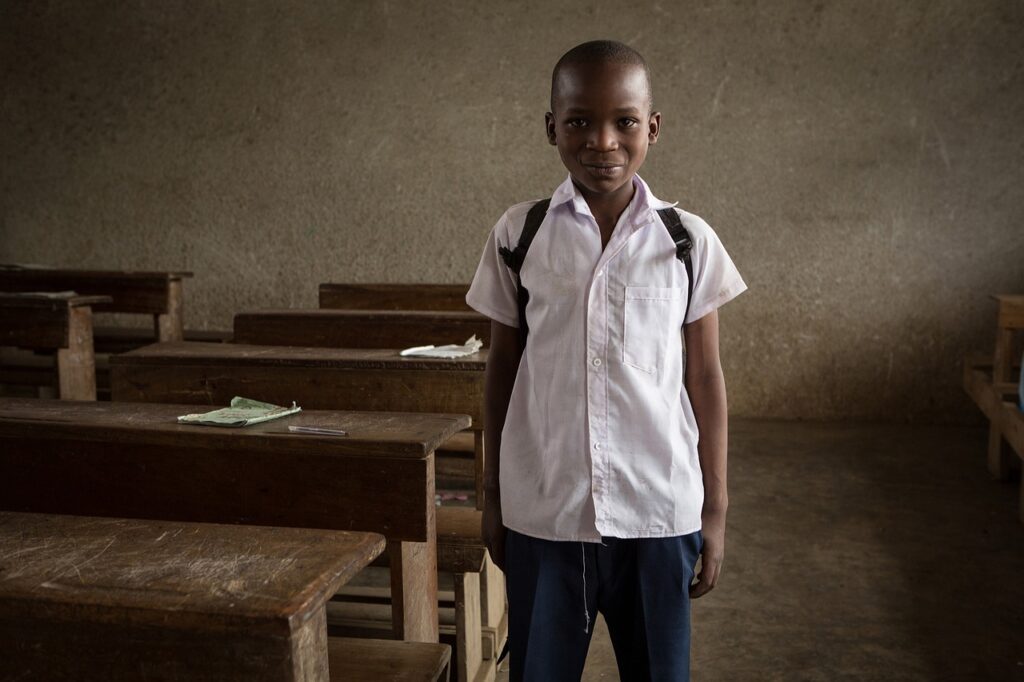
India’s education system is one of the largest in the world, structured into multiple levels: pre-primary (Nursery, Kindergarten), primary (Class 1-5), Secondary (Class 6-10), and Higher secondary (Class 11-12). After that, students can pursue higher education in colleges and universities. The system includes both public (government-funded) and private institutions, with boards like CBSE, ICSE, and various state boards running the curriculum. Over the years, India has made huge progress in expanding education access. As of recent data, India’s literacy rate is around 77%, with male literacy higher than female, though the gap is narrowing thanks to government schemes like Beti Bachao, Beti Padhan and Sarva Shiksha Abhiyan.
India is also home to some top universities and institutions known worldwide – like the Indian Institutes of Technology (IITs), Indian Institutes of Management (IIMs), Jawaharlal Nehru University (JNU), Delhi University, and AIIMS for medical studies. These institutes are recognized for their academic excellence, research, and producing top professionals in fields like tech, business, science, and healthcare.
In terms of global ranking, India is not yet at the top but is quickly moving upward. In fields like engineering, IT, and management, Indian institutions have started gaining international recognition. Thanks to the digital revolution and online learning platforms, education is becoming more accessible and inclusive. Overall, India is working toward becoming a global education hub, with a young population eager to learn and innovate.
Technology & Innovation /-
India has emerged as a global leader in technology and innovation, with major achievements in fields like space exploration, software development, and start-ups. The Indian Space Research Organisation (ISRO) is world-famous for its cost-effective and successful missions – including Chandrayaan (Moon missions), Mangalyaan (Mars Orbiter Mission), and recently, Aditya-L1 (solar mission). ISRO has also collaborated with global space agencies like NASA, Roscosmos, and CNES for research, satellite launches, and tech exchange. India’s space program reflects the country’s capability to deliver high-impact results with limited resources, gaining respect worldwide.
When it comes to the tech industry, cities like Bangalore (India’s Silicon Valley), Hyderabad, Pune, and Gurugram are major tech hubs, home to thousands of IT companies, global offices (like Google, Microsoft, Amazon), and lakhs of skilled developers, engineers, and tech professionals. These cities are driving innovation in AI, software, robotics, biotech, and fintech.
India also has one of the fastest-growing start-up ecosystems in the world. With over 100,000+ registered start-ups and more than 100 unicorns (companies valued at over $1 billion), India ranks among the top 3 start-up nations globally. Platforms like Zomato, Ola, Byju’s, Flipkart, Paytm, Zerodha, and Nykaa have transformed industries from food delivery to education and finance. Government initiatives like Startup India and Digital India are fueling innovation, funding, and youth entrepreneurship. With a massive digital user base and a culture of innovation, India is truly becoming a global tech powerhouse.
Military & Defence /-
India has one of the most powerful and well-organized military forces in the world, consisting of three main branches: the Indian Army, Indian Navy, and Indian Air Force. The Indian Army is responsible for land-based operations and is one of the largest standing armies globally. The Indian Navy secures the maritime borders and plays a key role in ocean-based missions, while the Indian Air Force handles aerial warfare, surveillance, and defense, equipped with advanced fighter jets like Rafale, Sukhoi, and Tejas. India also has specialized forces like NSG (National Security Guard) and DRDO (Defence Research and Development Organisation) that focus on elite combat and technological advancements.
In terms of global strength, India ranks among the top 4 military powers in the world, based on active personnel, defense technology, and strategic capabilities. India is also a recognized nuclear power, having conducted successful nuclear tests and maintaining a “No First Use” policy, reflecting its commitment to responsible deterrence. At the same time, India actively participates in UN peacekeeping missions, contributing thousands of troops over the years to support global peace and stability.
India’s defence sector is rapidly modernizing with initiatives like “Make in India – Defence”, boosting local manufacturing of weapons, aircraft, drones, and warships. With a combination of traditional strength, modern warfare tech, and a balanced approach to peace and power, India stands as a major force in global defence.
Environment & Nature /-
India is home to a rich and diverse natural environment, with vast forests, rivers, mountains, and an incredible variety of wildlife. The country has over 100 national parks and 550+ wildlife sanctuaries, including famous ones like Jim Corbett National Park (Uttarakhand), Kaziranga (Assam), Ranthambore (Rajasthan), Sundarbans (West Bengal), and Periyar (Kerala). These protected areas are home to iconic species like Bengal tigers, elephants, rhinoceros, leopards, and Asiatic lions. India’s environment is deeply connected to its culture, with many rivers and forests considered sacred.
However, the country also faces serious climate and environmental challenges. Rapid urbanization, industrial growth, and population pressure have led to issues like air and water pollution, deforestation, plastic waste, urban floods, and extreme heatwaves. Cities like Delhi often struggle with severe air quality, especially in winter due to smog and crop-burning in nearby states.
To tackle these problems, India has launched several sustainability and environmental protection programs. Major initiatives include Swachh Bharat Abhiyan (Clean India Mission), Namami Gange (river cleaning), National Electric Mobility Mission, Afforestation drives, and a big push for renewable energy like solar and wind power. India is also a part of global efforts like the Paris Climate Agreement, committing to reduce carbon emissions and adopt greener practices. With increased awareness, eco-tourism, and youth activism, India is taking steps toward balancing development with nature conservation.