Iran: History, Culture, Economy aur Global Role ka Complete Overview
Iran is an important country in the Middle East known for its ancient civilization, rich culture, and strong political influence. In the past, Iran was called Persia, and even today the terms Persian art, Persian carpets, and Persian poetry refer to Iran’s cultural heritage. With a history that goes back thousands of years, Iran stands as one of the world’s oldest continuous civilizations. At the same time, it plays a significant role in modern global politics.
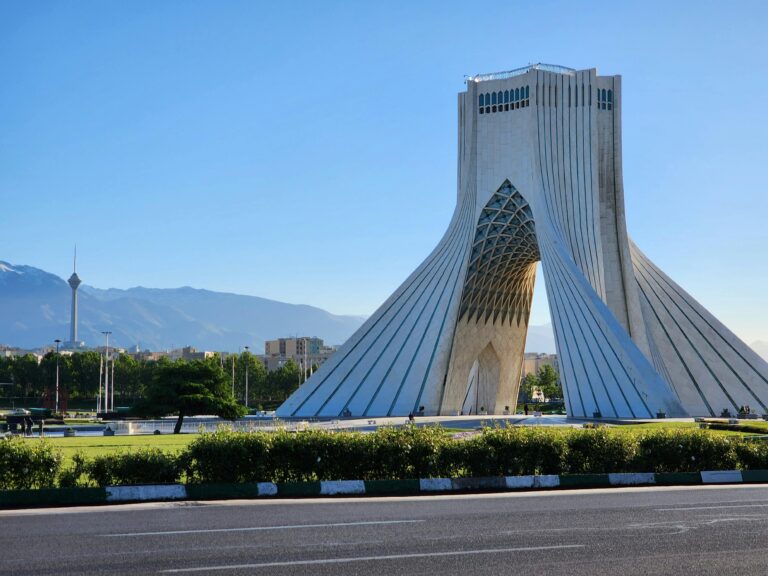
Location and Geography
Iran is located in Western Asia. It shares borders with Iraq, Turkey, Armenia, Azerbaijan, Turkmenistan, Afghanistan, and Pakistan. In the north, it is bordered by the Caspian Sea, and in the south by the Persian Gulf and the Gulf of Oman. This geographic position makes Iran strategically important for trade and global oil transportation.
The country has a diverse landscape that includes mountains, deserts, and fertile plains. The Alborz and Zagros mountain ranges influence the climate, making some regions cold while others, especially desert areas, experience very hot weather.
Ancient History
Iran’s history is one of the oldest in the world. The ancient Persian Empire was once among the most powerful empires, stretching across parts of Asia, Africa, and Europe. It was known for its advanced administration, architecture, and road systems.
One of the most famous historical sites in Iran is Persepolis, which was once a grand ceremonial capital of the Persian kings. Today, its ruins attract historians and tourists from around the world.
Iran has also made great contributions to literature and philosophy. Famous Persian poets such as Rumi and Hafez are still widely read and respected internationally.
Political System
A major turning point in modern Iranian history was the Iranian Revolution in 1979. This event ended the monarchy and established the Islamic Republic.
Iran has a unique political system. While the country has a President and a Parliament, the highest authority is the Supreme Leader, who holds significant political and religious power. This system combines elements of democracy with religious leadership, making it different from many Western political systems.
Economy and Natural Resources
Iran has some of the largest oil and natural gas reserves in the world. Oil exports are a major source of national income. Because of its location near important shipping routes in the Persian Gulf, Iran plays a key role in the global energy market.
However, international sanctions have created economic challenges, including inflation and currency instability. Despite these issues, Iran continues to develop other sectors such as agriculture, petrochemicals, automobile manufacturing, and small industries. The country is also famous for products like pistachios and saffron, which are exported worldwide.
Culture and Society
Iran’s culture is rich and deeply rooted in tradition. Persian carpets are globally admired for their quality and artistic design. Iranian architecture, especially mosques with colorful tiles and detailed patterns, reflects the country’s artistic excellence.
Iranian cuisine is flavorful and diverse. Popular dishes include rice-based meals, kebabs, and traditional stews known as khoresht. Family values and hospitality are important aspects of Iranian society, and guests are treated with great respect.
Iran also places importance on education and scientific research. With a young and educated population, the country has strong potential for innovation and development.
Global Role
Iran holds a significant position in Middle Eastern politics. Its strategic location and energy resources make it influential not only regionally but also globally. Issues such as regional security, oil trade, and nuclear policy often bring Iran into international discussions.
The country maintains relationships with many nations, though some of these relationships have experienced tension. As a result, understanding Iran is essential for understanding broader Middle Eastern and global political dynamics.
Latest update
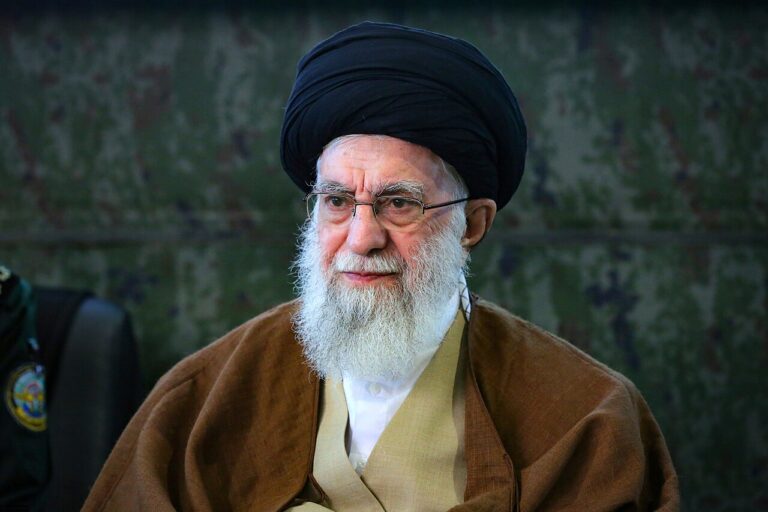
Right now, Iran is going through a major crisis that’s affecting the whole Middle East and the world. In late February 2026, Iran’s Supreme Leader, Ayatollah Ali Khamenei, was killed in coordinated airstrikes by the United States and Israel, which has triggered intense retaliation from Iran and its allied forces, with missiles and explosions reported in several Gulf countries. Because of this conflict, oil prices are expected to surge and there are fears about disruption around the important Strait of Hormuz, a key route for global oil transport. Inside Iran, an interim leadership council has taken charge while preparations continue to choose a new Supreme Leader, and earlier large protests and human rights concerns had already been drawing international criticism. The crisis has also affected civilians and foreign nationals, including some Indians in Iran and nearby countries, who face travel disruptions. Overall, the situation remains tense and unpredictable as military, political, and economic pressures continue to build across the region.