Knowledge Gaining
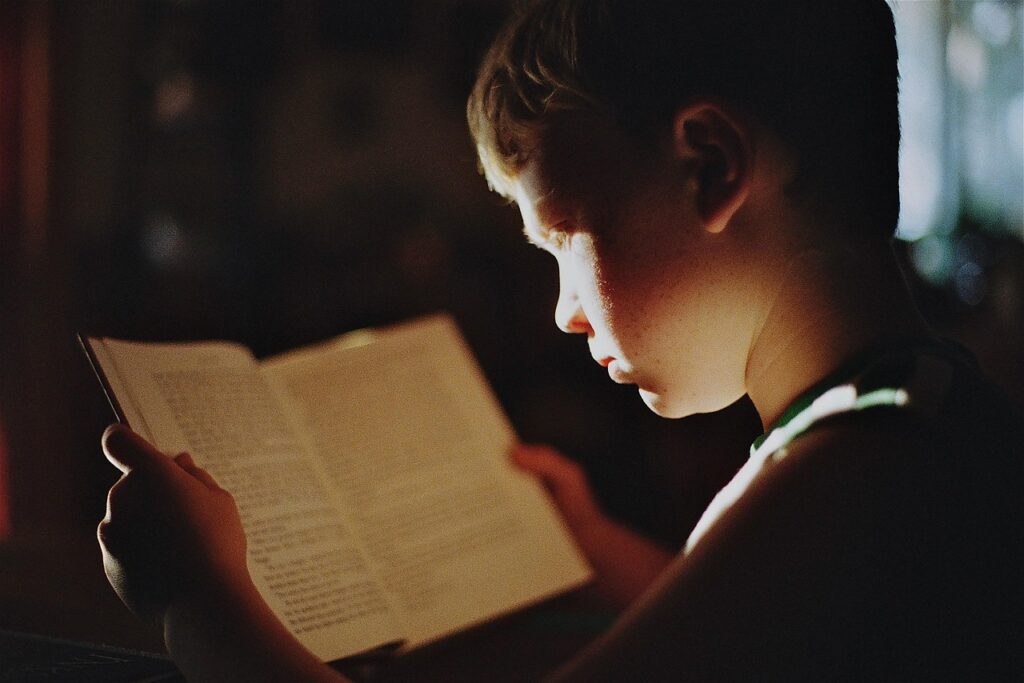
One of the main purposes of education is to provide knowledge. Knowledge allows individuals to understand the world around them, including science, history, culture, and society. Education helps people gain facts, information, and understanding that can be applied in daily life. By learning new concepts and ideas, individuals can make informed decisions and solve problems more effectively. Knowledge is the foundation of personal growth and success, and it allows people to explore new opportunities and expand their horizons.

Skill Development
Education is not just about gaining knowledge; it also focuses on developing skills. Skills include practical abilities such as communication, problem-solving, critical thinking, and technical skills. Through education, students learn how to apply their knowledge in real-life situations, complete tasks efficiently, and achieve their goals. Skill development is essential for career growth, independence, and adapting to the challenges of modern life. In addition, education also teaches soft skills like teamwork, leadership, and time management, which are equally important for personal and professional success.
Personality Development
Another important aim of education is personality development. Education helps individuals build confidence, discipline, and a positive attitude. It shapes behavior, develops social skills, and encourages ethical and moral values such as honesty, respect, and responsibility. Personality development through education enables individuals to interact effectively with others, handle challenges, and maintain a balanced life. A well-developed personality not only improves personal relationships but also creates opportunities for professional success and leadership.
Character Building
One of the key purposes of education is to build a strong character. Education teaches moral and ethical values such as honesty, integrity, responsibility, and respect for others. It helps individuals understand the importance of doing the right thing, even in difficult situations. By instilling discipline and ethical behavior, education shapes individuals into responsible and trustworthy members of society. A strong character not only guides personal life but also influences social and professional relationships positively.
Career and Employment
Education plays a vital role in preparing individuals for career and employment opportunities. It equips people with the knowledge and skills necessary to succeed in various professions and industries. Through education, individuals gain technical expertise, professional knowledge, and practical skills that make their job ready. Education also encourages continuous learning and adaptability, which are essential in today’s competitive job market. By providing a pathway to employment, education ensures financial independence and personal growth.
Critical Thinking
Another important aim of education is to develop critical thinking. Education teaches individuals to analyze situations, evaluate information, and make informed decisions. Critical thinking helps people solve problems creatively, think logically, and approach challenges with confidence. It also encourages curiosity and questioning, allowing individuals to explore new ideas and perspectives. By developing critical thinking, education prepares individuals to handle complex situations in personal, professional, and social life.
Social Development
Education plays a significant role in social development. Through education, individuals learn how to live harmoniously in society, understand social norms, and respect others’ rights. It promotes teamwork, cooperation, and a sense of community. Education also helps reduce social problems like poverty, discrimination, and crime by creating awareness and providing opportunities for growth. A well-educated society is more peaceful, inclusive, and progressive because people are aware of their responsibilities toward others and work together for the common good.
Citizenship Training
Another important purpose of education is citizenship training. Education prepares individuals to be responsible and active citizens who understand their rights and duties. It teaches people to respect laws, participate in democratic processes, and contribute to national development. By learning about civic responsibilities, government policies, and social issues, educated individuals can make meaningful contributions to society. Citizenship training through education ensures that people are not only aware of their personal growth but also committed to the welfare of their nation.
Equality and Social Justice
Education promotes equality and social justice by providing opportunities for everyone, regardless of gender, caste, religion, or background. It helps reduce discrimination and encourages inclusion, creating a fair and just society. By raising awareness about social issues, education empowers people to fight against inequality and injustice. Educated individuals understand the importance of equal rights, respect diversity, and work toward creating a society where everyone has access to opportunities. Education, therefore, is a powerful tool for building a fair, inclusive, and socially responsible community.
National Development
Education plays a crucial role in national development. A well-educated population provides skilled manpower, drives economic growth, and strengthens a nation’s social and political structure. Education encourages innovation, entrepreneurship, and scientific advancement, which are essential for a country’s progress. It also promotes awareness about national issues, civic duties, and social responsibilities. When individuals are educated, they not only improve their own lives but also contribute to the overall growth and prosperity of their nation. Therefore, education is a foundation for building a strong, progressive, and developed country.
Lifelong Learning
One of the keys aims of education is to promote lifelong learning. Education does not end with school or college; it continues throughout life. Lifelong learning encourages curiosity, self-improvement, and adaptability in an ever-changing world. It allows individuals to continuously acquire new knowledge, skills, and experiences that are necessary to face personal, professional, and social challenges. By fostering the habit of lifelong learning, education ensures that people remain active, informed, and capable of contributing meaningfully to society at every stage of life.
Innovation and Creativity
Education also aims to develop innovation and creativity in individuals. It encourages people to think outside the box, explore new ideas, and solve problems in creative ways. Education provides opportunities for experimentation, research, and learning from experiences. By nurturing creativity, education not only benefits individuals in their personal and professional lives but also drives technological, scientific, and cultural advancement in society. Innovation and creativity through education are essential for progress, competitiveness, and finding solutions to global challenges.