Introduction
Sri Lanka Independence Day, celebrated every year on 4 February, marks a historic moment when Sri Lanka (formerly known as Ceylon) gained independence from British colonial rule in 1948. This national holiday symbolizes the country’s long struggle for self-governance, national identity, and freedom after centuries of foreign domination.
Colonial Background
Sri Lanka’s strategic location in the Indian Ocean made it a target for European powers. Over the centuries, the island was ruled by:
• The Portuguese (16th century)
• The Dutch (17th century)
• The British (1796–1948)
British rule brought modern administration and infrastructure but also economic exploitation and loss of political autonomy. Over time, dissatisfaction grew among the local population, leading to the rise of nationalist movements.
The Road to Independence
The Sri Lankan independence movement was largely peaceful and constitutional, influenced by global anti-colonial struggles and leaders in South Asia.
Key factors included:
• Growth of nationalist political organizations
• Demands for greater self-rule and democratic rights
• Influence of Indian independence leaders and movements
• Negotiations with the British government after World War II
As a result, on 4 February 1948, Ceylon became an independent dominion within the British Commonwealth, with D. S. Senanayake as its first Prime Minister.
Significance of Independence Day
Sri Lanka Independence Day represents:
• The end of nearly 450 years of colonial rule
• Restoration of political sovereignty
• Emergence of a national identity
• A milestone in the wider Asian decolonization movement
Although independence did not solve all challenges, it gave Sri Lanka the power to shape its own political, social, and economic future.
How Independence Day Is Celebrated
Independence Day celebrations take place across the country, with the main event held in the capital, Colombo. Common features include:
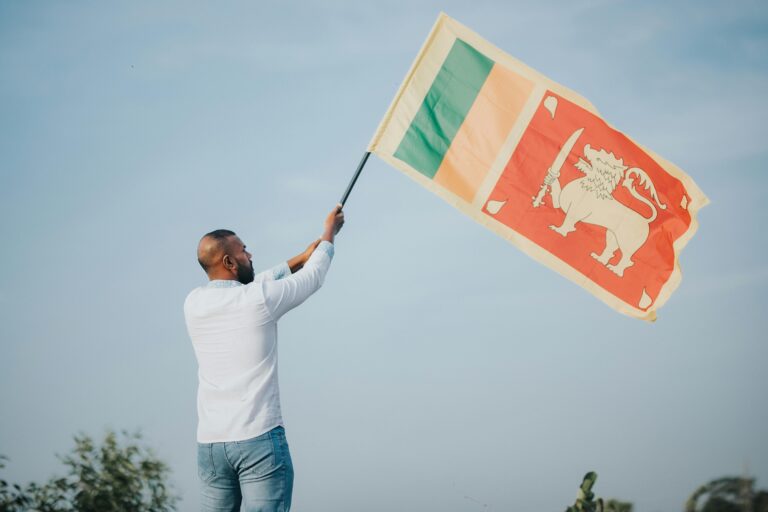
• National flag hoisting
• Military and cultural parades
• Traditional dances and performances
• Speeches by national leaders
• Tributes to freedom fighters
The celebrations highlight unity, patriotism, and respect for Sri Lanka’s diverse cultural heritage.
Sri Lanka in the Modern World
Since independence, Sri Lanka has undergone major political and social changes. Despite facing challenges such as internal conflict and economic struggles, the country continues to evolve as a democratic nation. Independence Day serves as a reminder of past sacrifices and the responsibility to build a peaceful and inclusive future.
Conclusion
Sri Lanka Independence Day is more than just a public holiday — it is a powerful reminder of the nation’s journey from colonial rule to sovereignty. Celebrated every 4 February, it honours the resilience, determination, and unity of the Sri Lankan people and stands as an important chapter in world history’s fight against imperialism.