Gulf Tensions Escalate After Iranian Drone and Missile Strike
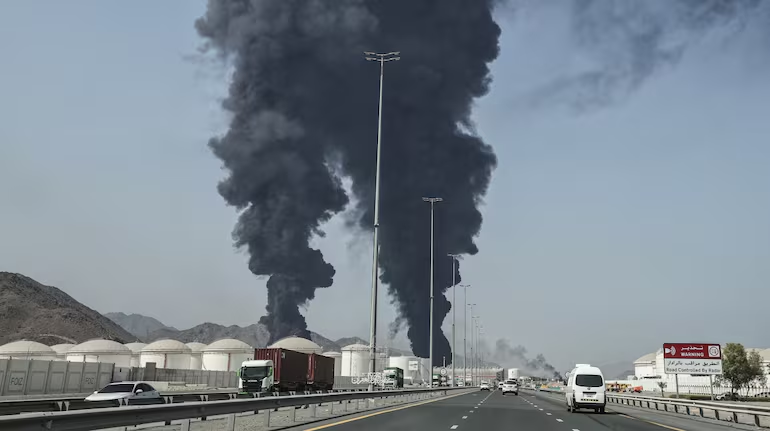
The Gulf region witnessed a dramatic escalation in tensions on June 3, 2026, after reports emerged that Kuwait International Airport was targeted in an Iranian drone and missile attack. The incident has raised serious concerns about regional security, international aviation, and the possibility of a wider conflict in the Middle East. The attack reportedly damaged airport infrastructure, disrupted flight operations, and resulted in casualties, making it one of the most significant developments in the Gulf this year.
As governments, airlines, and international organizations continue to monitor the situation, the event has sparked global discussions about security, diplomacy, and the future stability of the region.
What Happened at Kuwait International Airport?
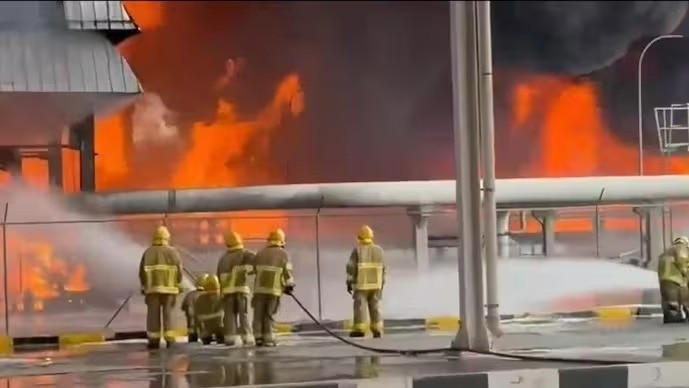
According to the latest reports, the attack claimed the life of one person and left 63 others injured. The victim was identified as an Indian national working in Kuwait. Emergency teams rushed to the scene shortly after the explosions, providing medical assistance and transporting the injured to nearby hospitals. Many of those affected included passengers, airport employees, and support staff who were present at the airport during the attack.
Reports indicate that multiple drones and missiles struck Kuwait International Airport, causing significant damage to parts of the facility, including Terminal 1. Authorities immediately launched emergency response operations and began assessing the extent of the destruction.
The incident also caused major disruptions to airport operations. Several flights were delayed, canceled, or diverted as security officials worked to secure the area and ensure passenger safety. Travelers faced uncertainty as airlines adjusted schedules in response to the rapidly evolving situation.
The attack has once again highlighted the risks faced by civilian infrastructure during periods of heightened geopolitical tensions. Security experts warn that such incidents can have far-reaching consequences, affecting not only regional stability but also international travel, trade, and public confidence.
.
Background of the Rising Gulf Tensions
The Kuwait Airport attack did not occur in isolation. It came amid growing tensions between Iran and the United States following military actions and counteractions in the Gulf region.
Recent reports suggested that American forces had carried out strikes against Iranian-linked military targets, prompting Iran to respond with missile and drone operations. The exchange of military actions significantly increased concerns about a broader regional confrontation.
The Gulf region has long been considered strategically important because of its role in global energy supplies, international shipping routes, and economic activity. Any military escalation in this area has the potential to affect not only neighboring countries but also global markets and international trade.
International Reactions and Travel Advisories
The attack prompted swift reactions from governments around the world. Several countries issued travel advisories urging their citizens to remain cautious and stay updated through official channels.
India
India strongly condemned attacks on civilian infrastructure and expressed concern over the safety of Indian citizens living and working in Kuwait. The Indian Embassy advised citizens to remain vigilant, avoid unnecessary travel, and follow official announcements.
United States
The United States reiterated its travel advisory for Kuwait and encouraged American citizens to exercise increased caution. Officials also emphasized the importance of monitoring local developments and following security instructions from authorities.
Australia
Australia issued updated travel guidance for citizens in the Gulf region, warning of heightened security risks and the possibility of further escalation.
Other countries are also closely monitoring developments and may revise their travel recommendations depending on how the situation evolves in the coming days.
Impact on Airlines and Air Travel
The aviation sector felt the immediate impact of the attack. Several airlines temporarily suspended or adjusted operations to Kuwait, while others rerouted flights to avoid potentially dangerous airspace.
Airports across the Gulf region increased security measures and reviewed emergency response procedures. Passengers traveling to or through the Middle East were advised to check flight status updates regularly and remain in contact with their airlines.
Industry experts believe that if regional tensions continue to rise, airlines may face increased operational costs, longer flight routes, and scheduling challenges.
Why the Incident Matters Globally
Although the attack occurred in Kuwait, its implications extend far beyond the country’s borders. The Gulf region is a vital hub for global trade, aviation, and energy transportation.
A significant percentage of the world’s oil shipments pass through nearby maritime routes, including the Strait of Hormuz. Any instability in the region can influence energy prices, shipping costs, and investor confidence worldwide.
Security analysts warn that attacks on civilian infrastructure can create uncertainty for businesses, travelers, and governments alike. As a result, the international community is paying close attention to developments and diplomatic efforts aimed at preventing further escalation.
Concerns for Expat Communities
Kuwait is home to a large expatriate population, including hundreds of thousands of workers from India, Pakistan, Bangladesh, Nepal, the Philippines, and other countries.
Following the attack, many expatriate families expressed concern about safety and future travel plans. Embassies have been actively communicating with their citizens and providing guidance on emergency preparedness and local security updates.
For many residents, the incident serves as a reminder of how quickly geopolitical tensions can affect everyday life.
Diplomatic Efforts to Prevent Escalation
International leaders and diplomatic organizations have called for restraint from all parties involved. Analysts believe that diplomatic dialogue remains the most effective way to prevent a larger regional conflict.
Several governments have urged Iran, the United States, and regional stakeholders to pursue peaceful solutions and avoid actions that could increase instability. Diplomatic negotiations are expected to continue as global leaders seek to reduce tensions and restore confidence in regional security.