World Oceans Day 2026

How Global Organizations and Communities Are Working to Protect Our Oceans

Every year on 8 June, people around the world celebrate World Oceans Day, a global event dedicated to raising awareness about the importance of oceans and the challenges they face. Oceans cover more than 70% of the Earth’s surface, produce a significant portion of the oxygen we breathe, regulate the climate, and support millions of livelihoods. Yet they are under increasing pressure from pollution, climate change, overfishing, and habitat destruction.

World Oceans Day is not just about celebrating the beauty of the sea. It is also a reminder that protecting marine ecosystems requires action from governments, scientists, businesses, environmental organizations, and local communities. Across the globe, many groups are actively working to preserve oceans and marine life through research, conservation projects, clean-up campaigns, and policy advocacy.

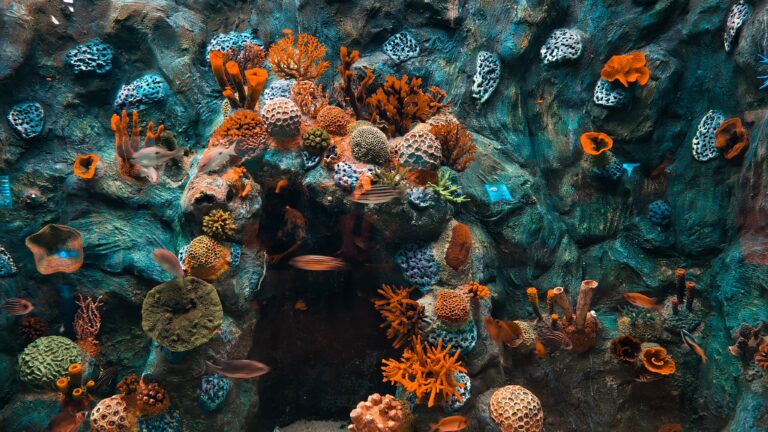
Vibrant underwater scene of a coral reef with various fishes and colorful corals.

Why Ocean Conservation Matters

The health of the oceans affects everyone, whether they live near a coastline or thousands of kilometers inland. Oceans absorb large amounts of carbon dioxide and heat generated by human activities, helping to slow the effects of climate change. They also provide food, transportation routes, tourism opportunities, and natural resources.

However, marine ecosystems face several major threats:

  • Plastic pollution entering oceans every year
  • Rising sea temperatures caused by climate change
  • Coral reef bleaching
  • Overfishing and illegal fishing activities
  • Loss of marine biodiversity
  • Coastal habitat destruction

These challenges have encouraged organizations and communities worldwide to take action.

Global Organizations Leading Ocean Protection Efforts

Several international organizations play a major role in protecting oceans and marine ecosystems.

United Nations and International Ocean Programs

The United Nations has been one of the strongest supporters of ocean conservation. Through international agreements and sustainability goals, it encourages countries to reduce marine pollution, protect biodiversity, and manage marine resources responsibly.

Various UN-supported initiatives focus on protecting coastal regions, reducing plastic waste, and supporting sustainable fisheries around the world.

World Wildlife Fund

World Wildlife Fund (WWF)

The World Wildlife Fund (WWF) operates ocean conservation programs in many countries. The organization works to protect endangered marine species such as sea turtles, sharks, whales, and dolphins.
WWF also collaborates with fishing industries and governments to promote sustainable fishing practices and reduce damage to marine habitats.

Greenpeace

Greenpeace is known for its environmental campaigns and ocean advocacy efforts. The organization actively campaigns against illegal fishing, deep-sea mining, and plastic pollution.

Greenpeace researchers and volunteers conduct investigations, collect environmental data, and organize public awareness campaigns to encourage stronger ocean protection laws.

Groups Fighting Plastic Pollution

Plastic pollution remains one of the biggest threats to marine life. Several organizations are focused specifically on cleaning oceans and reducing plastic waste.

The Ocean Cleanup

The The Ocean Cleanup project has gained international attention for developing technology designed to remove plastic from oceans and rivers.

The organization deploys large-scale collection systems that capture floating plastic before it can spread across marine ecosystems. It also works on river interception projects to stop waste from reaching the sea.

Ocean Conservancy

Ocean Conservancy organizes large coastal clean-up campaigns and supports scientific research related to ocean health.

Thousands of volunteers participate in beach cleaning events every year, helping remove plastic bottles, fishing gear, and other harmful waste from coastal environments.

Marine Research and Science Organizations

Marine Research and Science
Organizations

Scientists play a crucial role in understanding ocean health and identifying effective conservation strategies. Through extensive research, field studies, and advanced technologies, they monitor changes in marine ecosystems, track the impacts of climate change, and assess threats such as pollution, overfishing, and habitat destruction. Their work helps uncover important information about ocean currents, coral reef health, marine biodiversity, and the behavior of marine species. Scientists also develop innovative solutions to protect vulnerable ecosystems and support sustainable use of ocean resources. By providing reliable data and scientific evidence, they help governments, environmental organizations, and policymakers make informed decisions that contribute to the long-term protection and restoration of the world's oceans.


National Geographic Society

The National Geographic Society supports ocean exploration, marine research, and environmental education programs worldwide.

Researchers funded by the organization study coral reefs, deep-sea ecosystems, marine wildlife migration, and climate-related changes affecting oceans.

Marine Conservation Institutes

Numerous marine conservation institutes across North America, Europe, Asia, and Australia conduct research on biodiversity, fish populations, and habitat restoration.

Their findings help governments create policies that protect marine ecosystems and ensure sustainable resource management.

Local Communities Making a Difference

Ocean conservation is not limited to large international organizations. Local communities often lead some of the most effective environmental initiatives.

Coastal Community Programs

In countries such as India, Indonesia, the Philippines, Australia, and Kenya, coastal communities participate in:

  • Mangrove restoration projects
  • Beach cleaning campaigns
  • Sustainable fishing programs
  • Coral reef protection efforts
  • Marine education activities

These community-led projects help preserve local ecosystems while supporting livelihoods.

Youth and Volunteer Networks

Young people have become increasingly active in ocean conservation. Student groups, environmental clubs, and volunteer organizations organize awareness campaigns, clean-up drives, and educational workshops.

Social media has also helped environmental activists reach larger audiences and inspire action across different regions.

Technology and Innovation Supporting Oceans

Modern technology is becoming an important tool in marine conservation.

Researchers now use:

  • Satellite monitoring systems
  • Artificial intelligence for marine tracking
  • Underwater drones
  • Ocean sensors
  • Data analytics platforms

These technologies help scientists monitor pollution, track endangered species, and identify illegal fishing activities more efficiently than ever before.

Private companies are also investing in sustainable packaging, biodegradable materials, and recycling innovations that can reduce the amount of waste entering oceans.

How Individuals Can Contribute

Protecting oceans is not solely the responsibility of governments and organizations. Individuals can also make a meaningful impact by:

  • Reducing single-use plastic consumption
  • Recycling waste properly
  • Supporting sustainable seafood products
  • Participating in local clean-up events
  • Conserving water resources
  • Educating others about marine conservation

Small actions taken by millions of people can create significant positive change for ocean ecosystems.

Leave a Comment

Your email address will not be published. Required fields are marked *

Scroll to Top